Business and Technology
Moscow and the Moscow Region
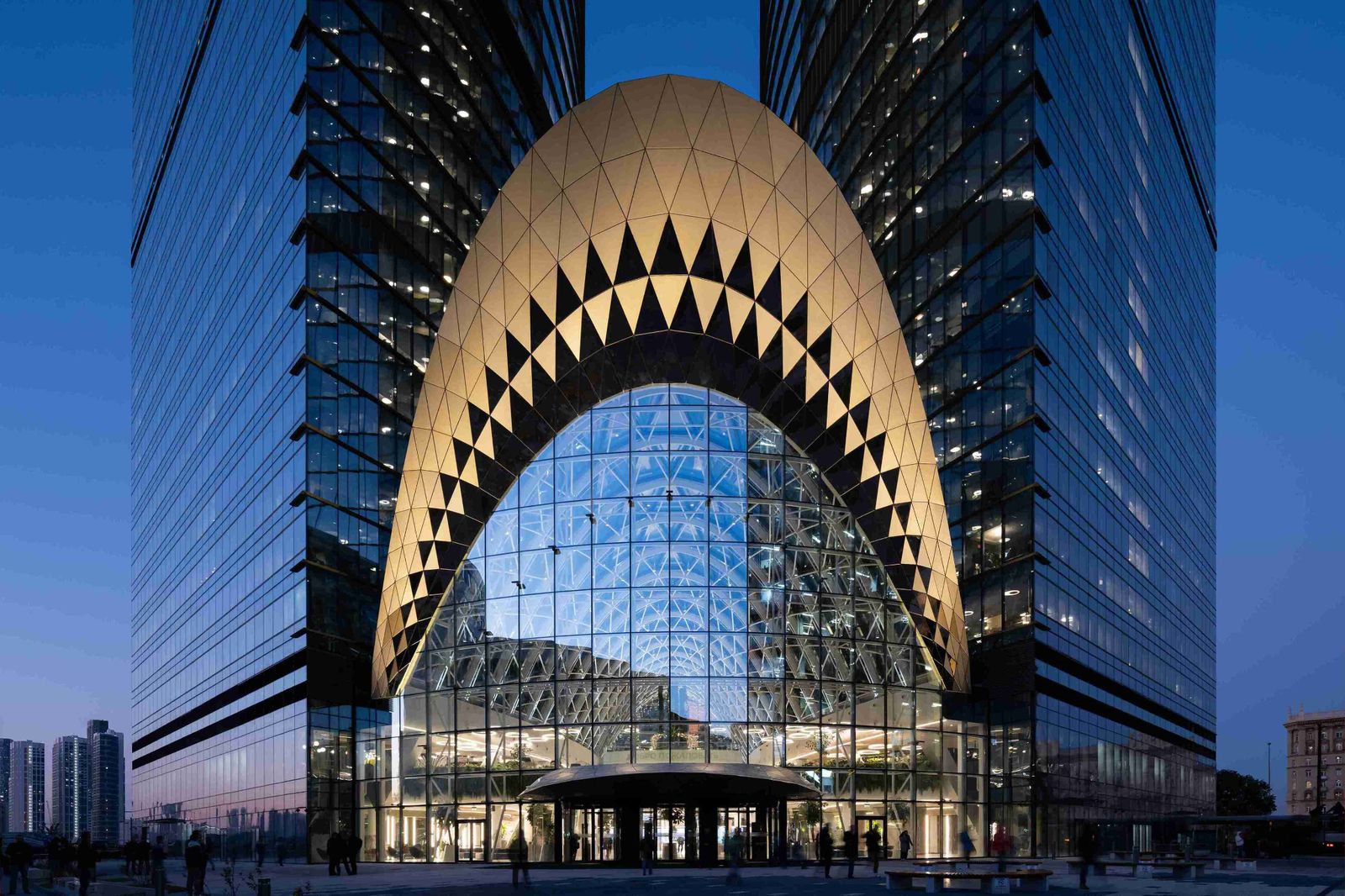
The headquarters of Russia’s largest bank. This is where Sber’s central departments are based and where meetings with Russian and international business partners take place.
How to get there
Sber’s headquarters is located near the Moscow City business district. The nearest metro station is Kutuzovskaya, just a few minutes’ walk away.
Why visit?
To get to know Sber and learn how the bank works with international businesses.
Don’t miss
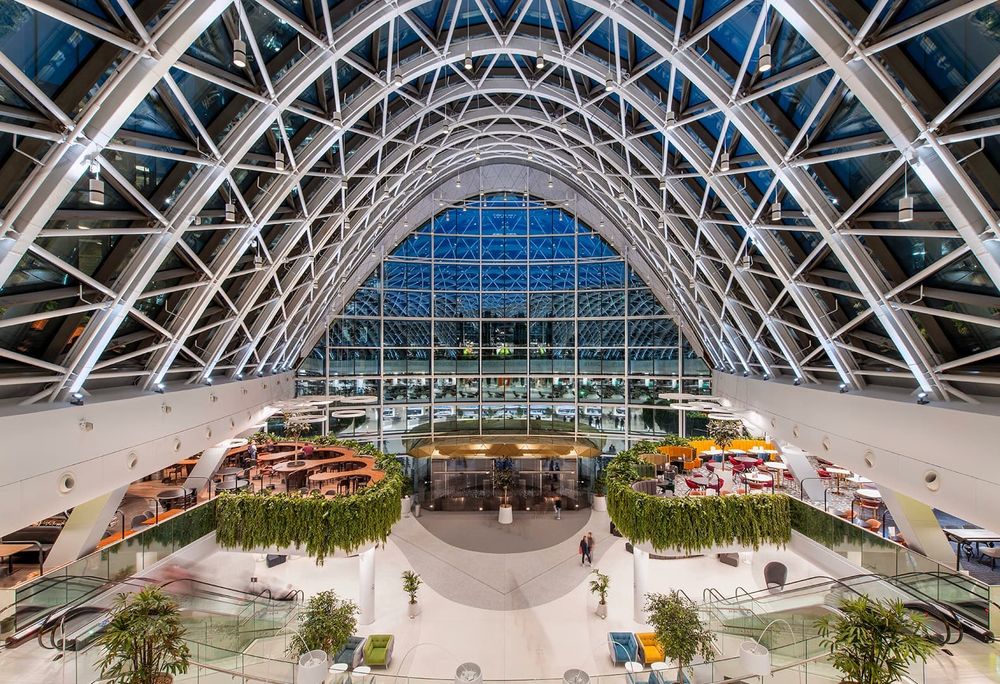
The headquarters’ main atrium. Its centrepiece is Diamant, a suspended glass meeting room, flanked by living green walls rising more than 20 metres high.
Good to know
SberIndia can help arrange your introduction to Sber before you even arrive in Russia. Get in touch with the team in advance, and they’ll put you in contact with a manager who can recommend the most relevant office for your business needs and help organise your visit.
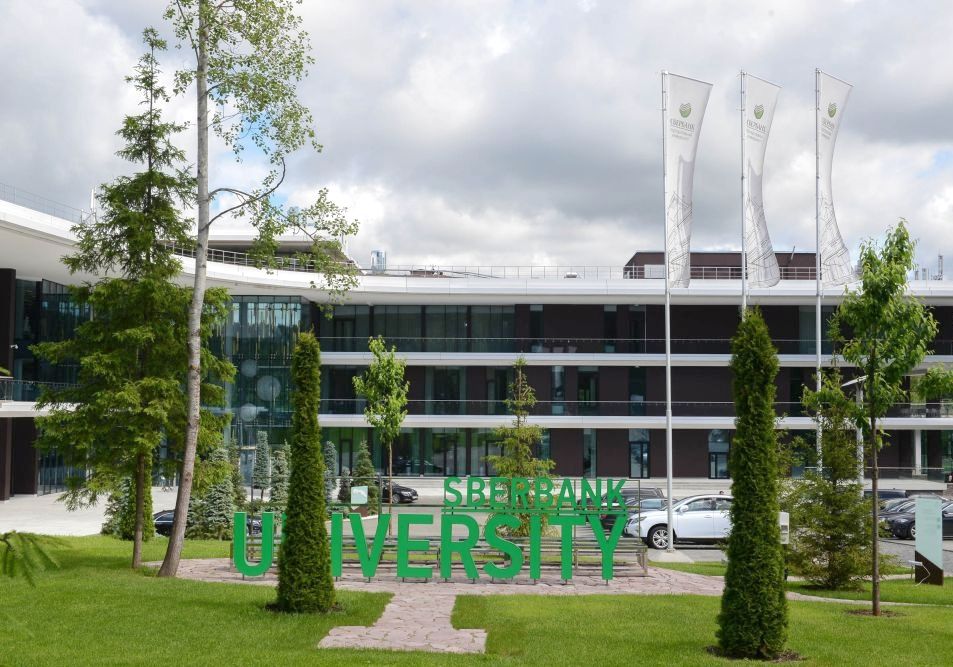
Sber’s educational centre for executives, entrepreneurs and corporate teams. Its programmes cover leadership, business management, digital transformation and artificial intelligence.
How to get there
The campus is in the village of Anosino, around 50 kilometres from Moscow. The easiest way to get there is by car or taxi.
Why visit?
To explore Sber’s approach to corporate education and exchange ideas with Russian business leaders and entrepreneurs.
Don’t miss
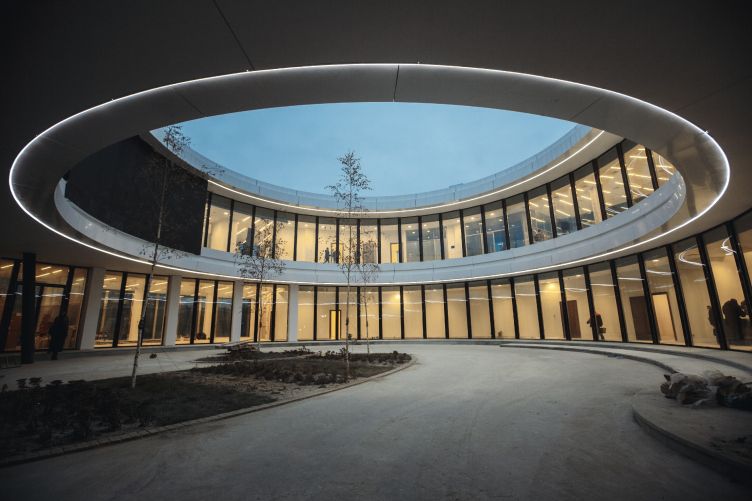
The main building and glass gallery. The campus was designed by Dutch architect Erick van Egeraat, who drew inspiration from the Russian avant-garde.
Good to know
SberUniversity focuses mainly on education and business events, so it’s best to plan your visit well in advance and arrange it around a particular programme or event.
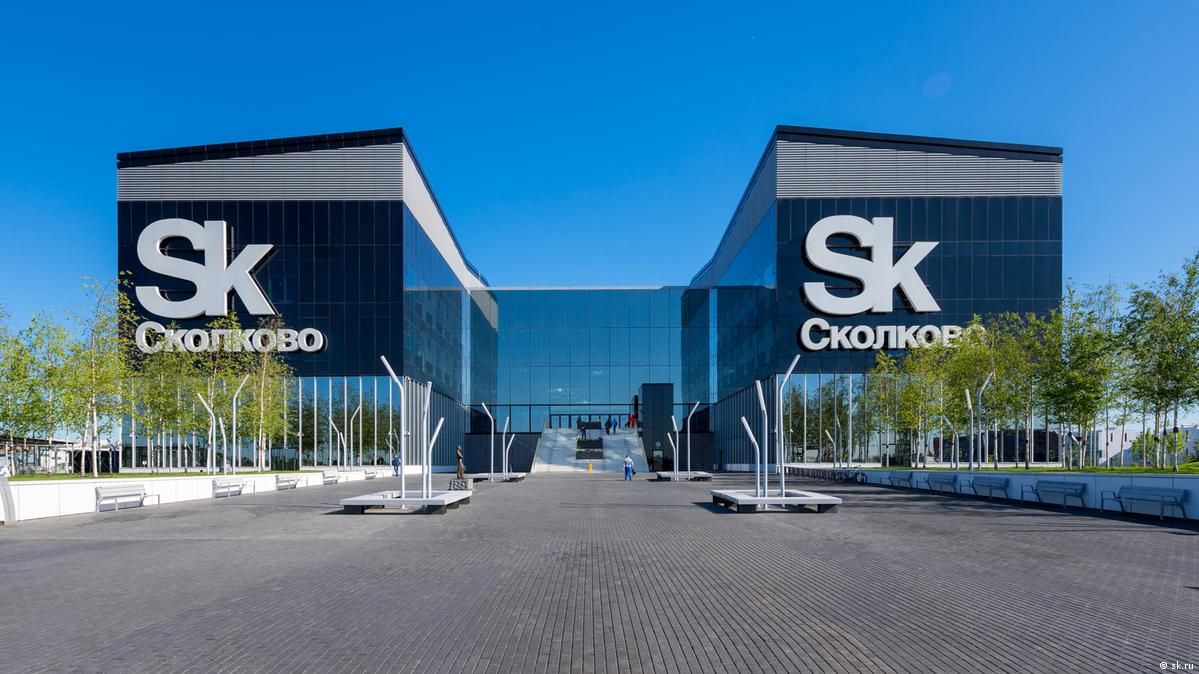
A technology hub in western Moscow, home to a growing community of Russian start-ups and IT companies. At its heart is the Technopark, which brings together hundreds of businesses, laboratories and facilities for developing and testing new technologies.
How to get there
The easiest way is to take an MCD suburban train from Moscow to Skolkovo station, then catch a bus. You can also get there by taxi or car.
Why visit?
To see Russia’s technology and start-up scene up close.
Don’t miss
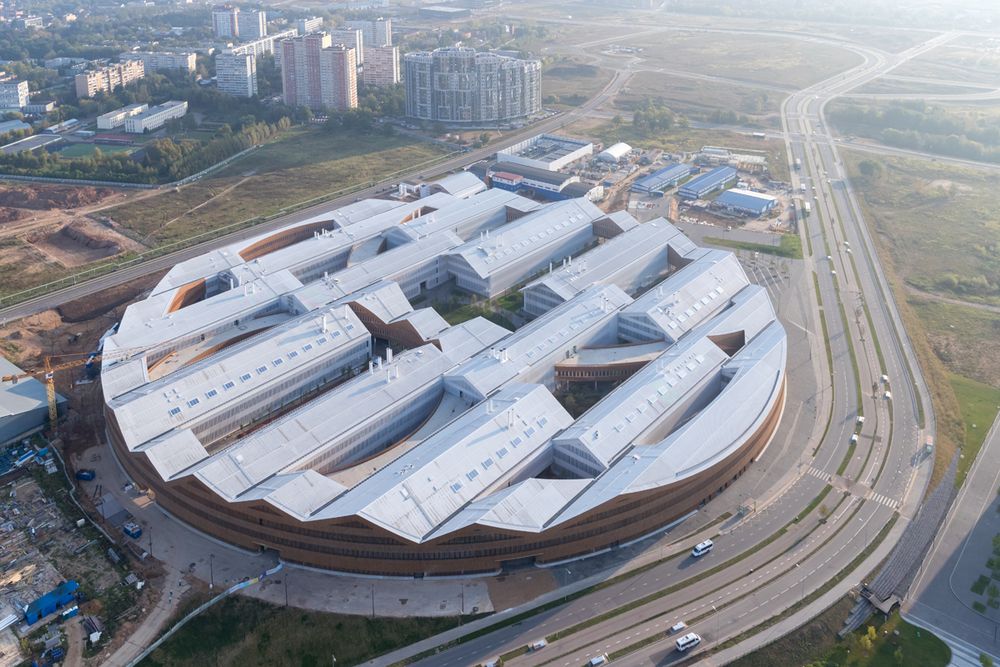
The Skolkovo Institute of Science and Technology, designed by Swiss architecture firm Herzog & de Meuron. Its enormous ring-shaped building brings together laboratories, teaching spaces and inner courtyards.
Good to know
Book a business tour in advance. You may also be able to arrange meetings with companies based at Skolkovo as part of your visit.
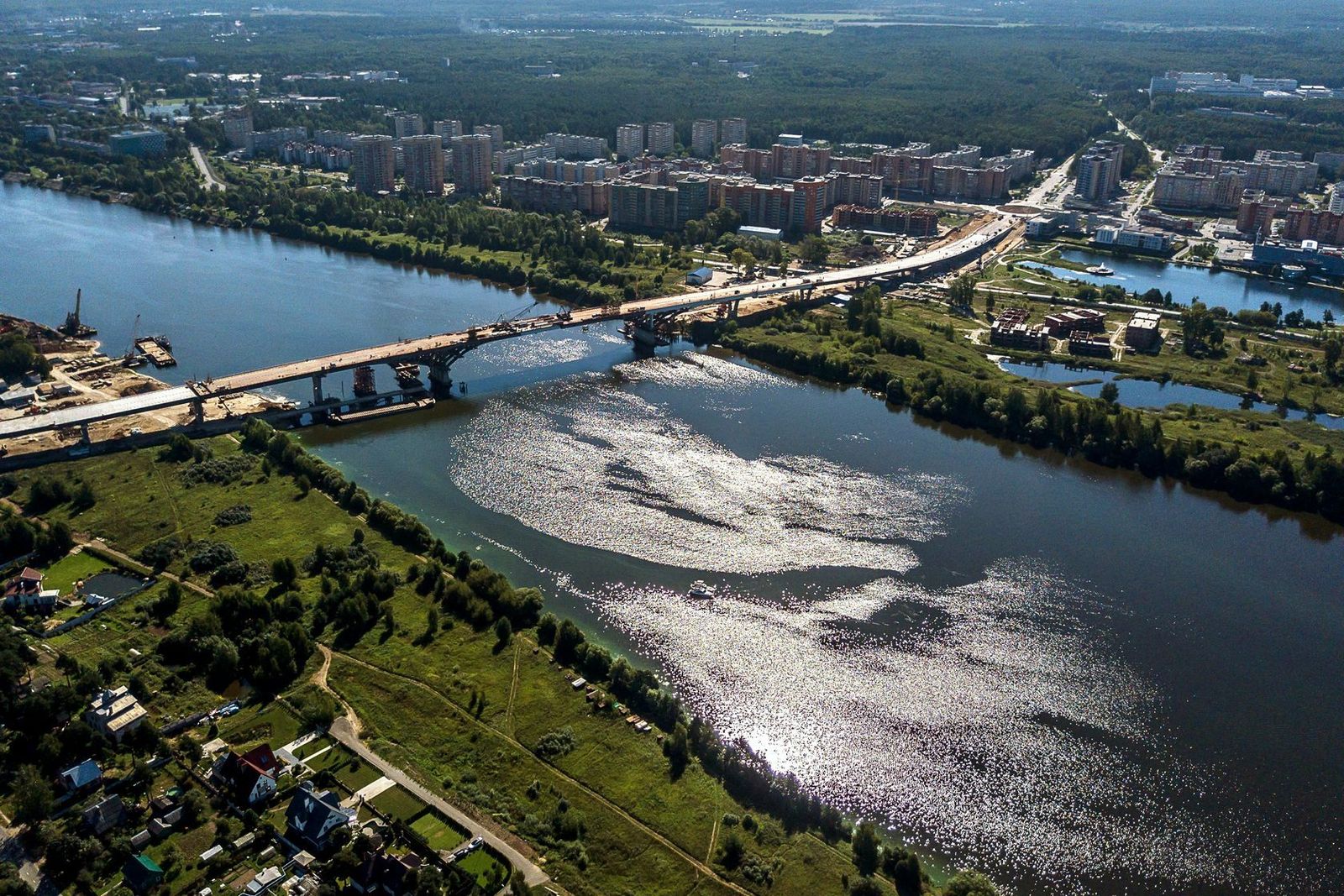
One of Russia’s leading science cities, which grew around the Joint Institute for Nuclear Research. Today, researchers here work in particle physics, nuclear physics and radiobiology.
How to get there
You can reach Dubna from Moscow by train in around two and a half hours, or even faster by car.
Why visit?
To see what life and work are like in a Russian science city.
Don’t miss
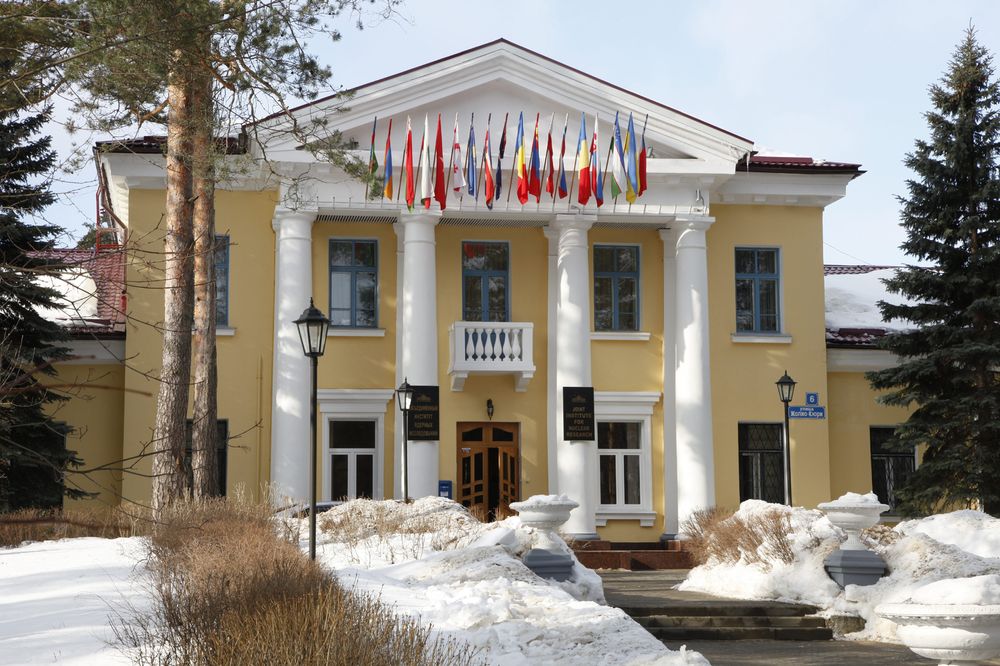
The Joint Institute for Nuclear Research, where you can see working research facilities and laboratories. One of the institute’s main projects is NICA, a particle accelerator complex designed to study the properties of nuclear matter.
Good to know
Arrange your visit to the institute in advance. Guided tours are available by prior request.
St Petersburg
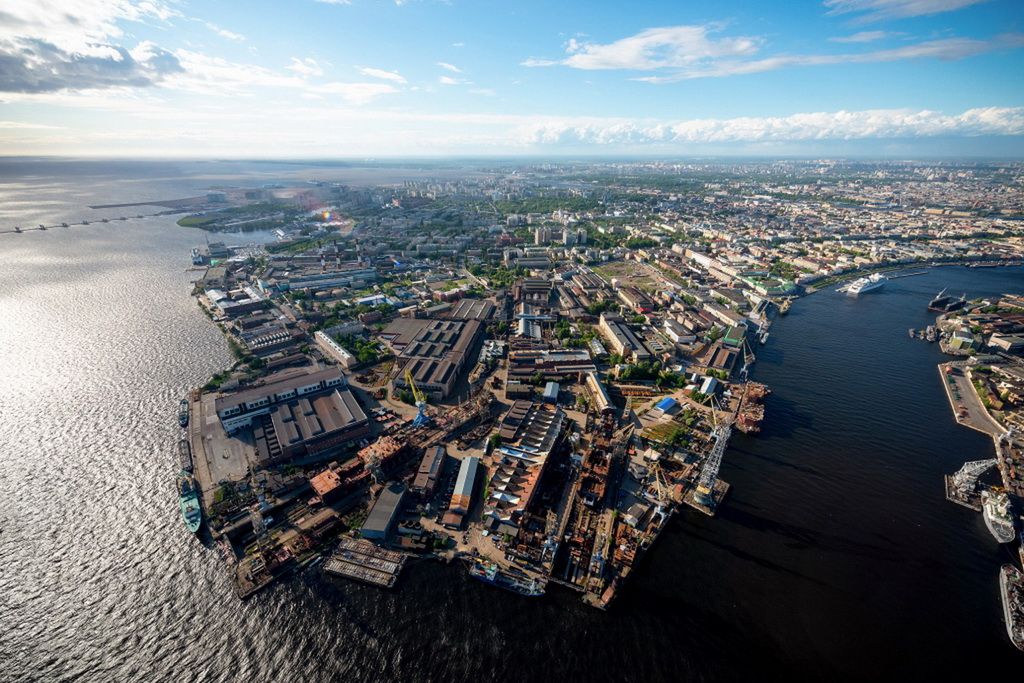
One of Russia’s oldest shipyards, founded in 1856. Today, it builds nuclear-powered icebreakers that keep shipping routes open in the Arctic Ocean.
How to get there
The shipyard is on Vasilyevsky Island. The easiest way to get there from central St Petersburg is by taxi, which takes around 20–30 minutes.
Why visit?
To learn about the technology Russia uses to explore and operate in the Arctic.
Don’t miss
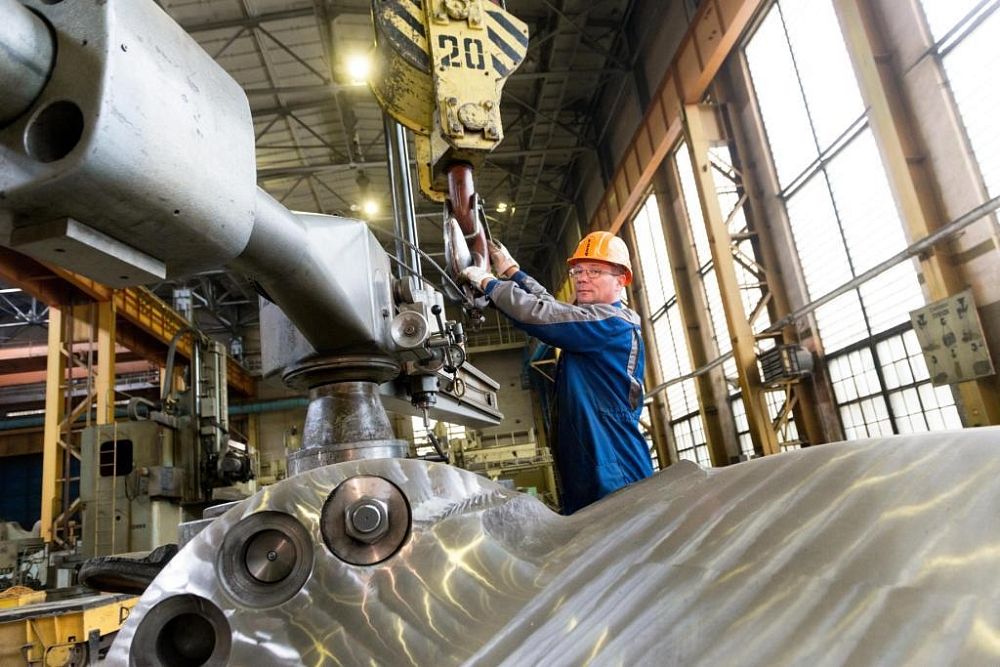
The shipbuilding workshops, where the hulls of future icebreakers take shape. You’ll get a sense of the sheer scale of the operation and learn how ships capable of breaking through several metres of Arctic ice are built.
Good to know
The Baltic Shipyard is a working industrial facility with restricted access. Tours are mainly organised for professional delegations and participants in industry events, so you’ll need to arrange your visit well in advance.
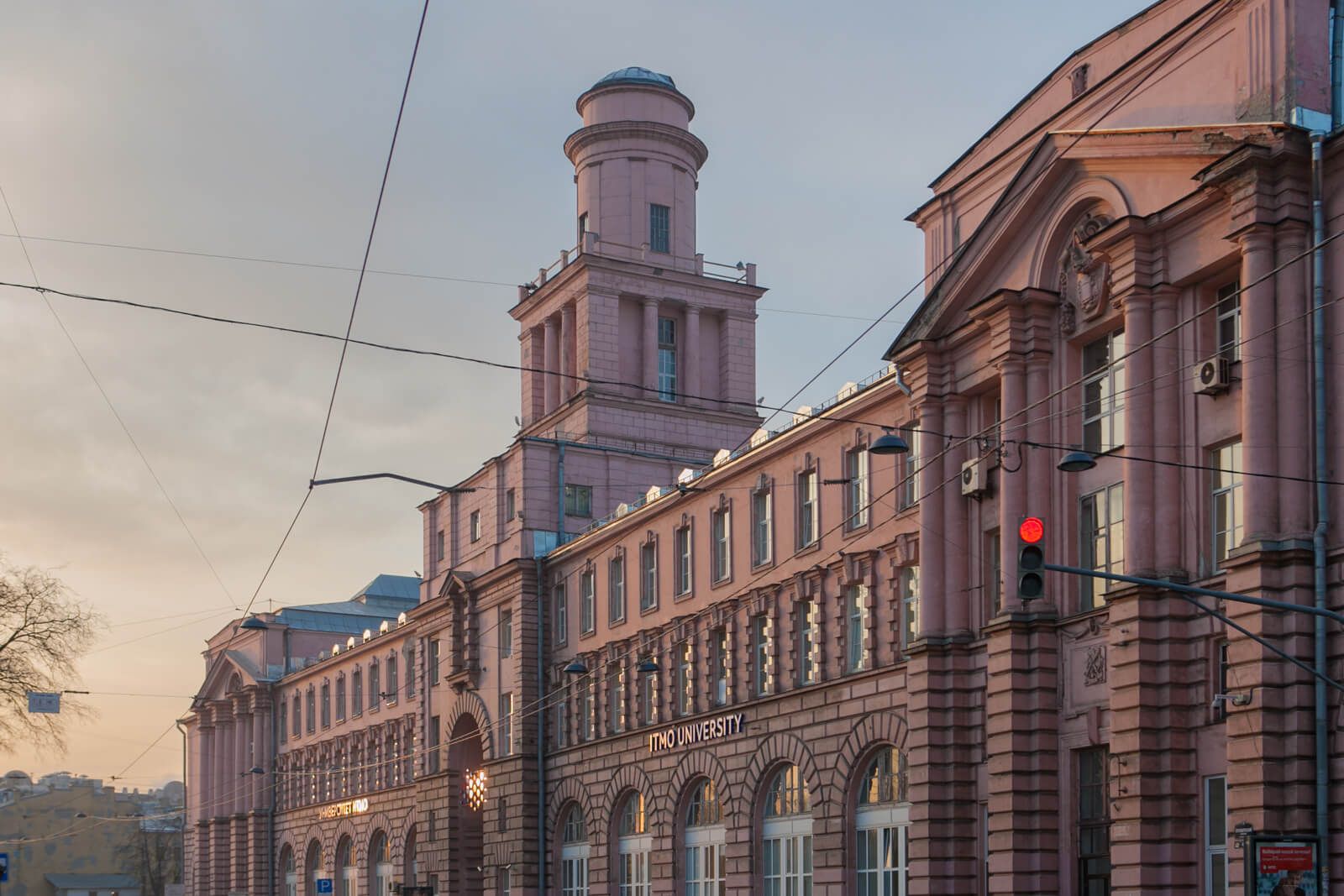
One of Russia’s leading technology universities, with research programmes in artificial intelligence, robotics, photonics and other advanced technologies.
How to get there
The main building is on Kronverksky Prospekt, near the Peter and Paul Fortress. The nearest metro station is Gorkovskaya, not far from the city centre.
Why visit?
To discover the latest developments in Russian science and technology.
Don’t miss
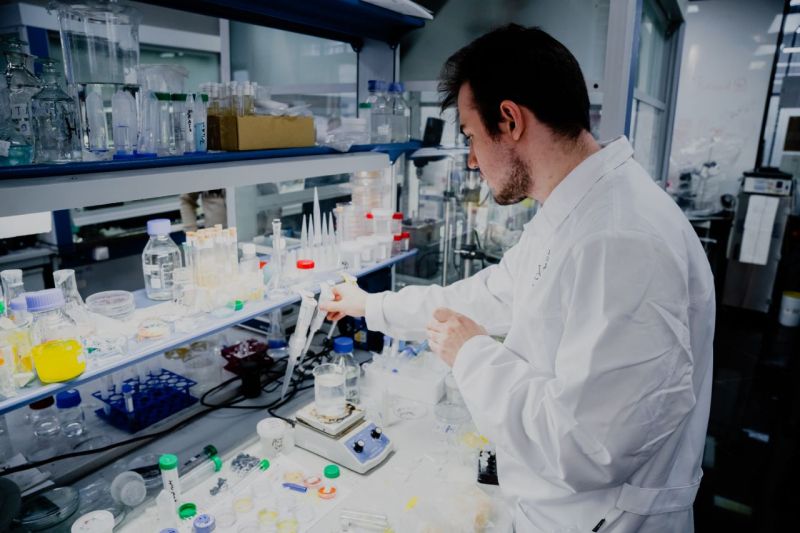
The research laboratories, where scientists develop new materials and work on laser technologies, robotics and artificial intelligence.
Good to know
Check the university’s website for upcoming public events and guided tours before your trip. You may need to register in advance to visit the research centres.
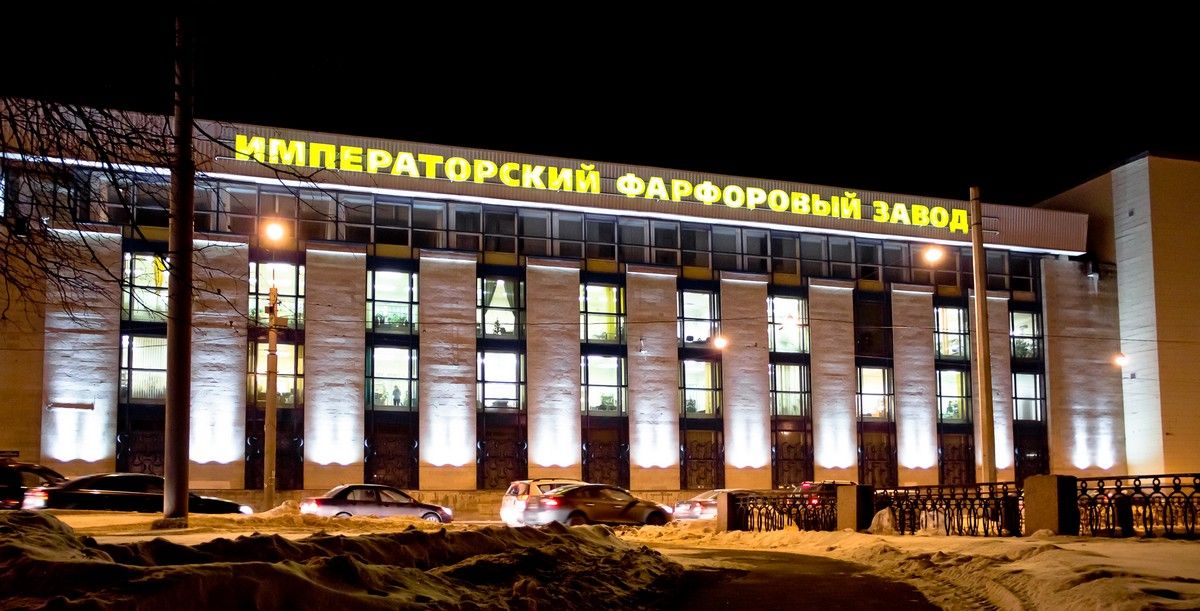
Russia’s oldest porcelain manufacturer, founded in 1744. It once produced tableware and decorative pieces for the imperial court. Today, the factory continues to make fine porcelain, including hand-painted pieces.
How to get there
The factory is about 10 kilometres from central St Petersburg. You can take a taxi, which takes around 20–30 minutes, or the metro to Lomonosovskaya station, followed by a 10-minute walk.
Why visit?
To discover a Russian craft and manufacturing tradition that goes back centuries.
Don’t miss
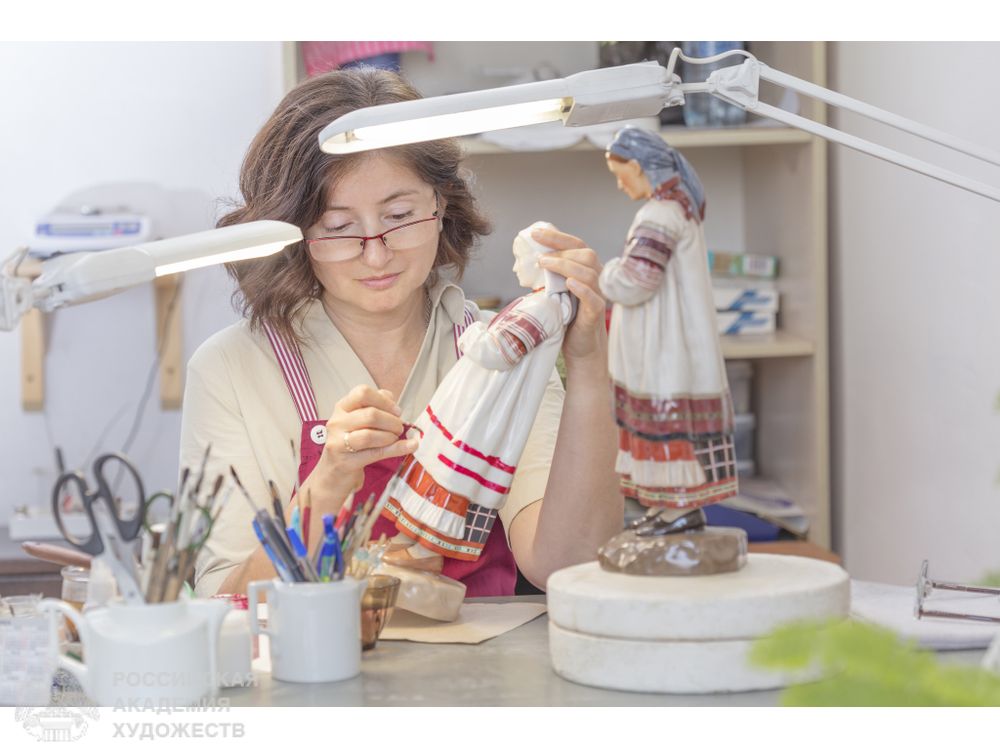
The fine porcelain workshop. On a guided tour, you can follow the production process from preparing the porcelain mixture to hand-painting and firing the finished pieces.
Good to know
The factory offers guided tours of its production facilities, including tours in English. You can book in advance through its official website. There’s also a museum with a historic porcelain collection. It’s part of the State Hermitage Museum.
Other Regions
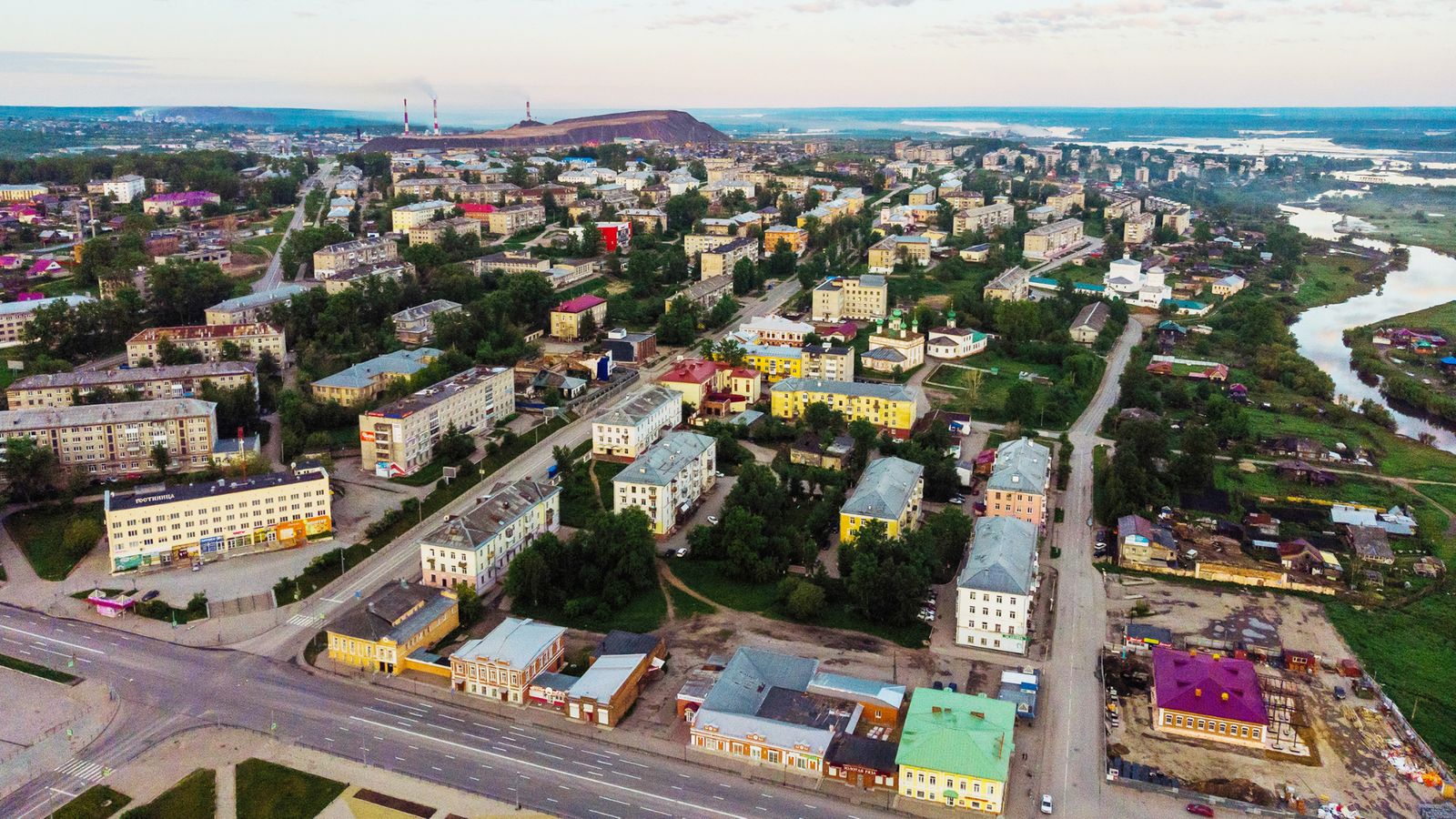
One of the oldest industrial towns in the Urals. It’s home to Uralkali, Russia’s largest producer of potash fertilisers and a major supplier of Russian potash to India.
How to get there
First, fly from Moscow to Perm. The flight takes around two hours. Solikamsk is about 210 kilometres from Perm, or roughly three to four hours by car.
Why visit?
To explore an industry that directly connects Russian and Indian businesses.
Don’t miss
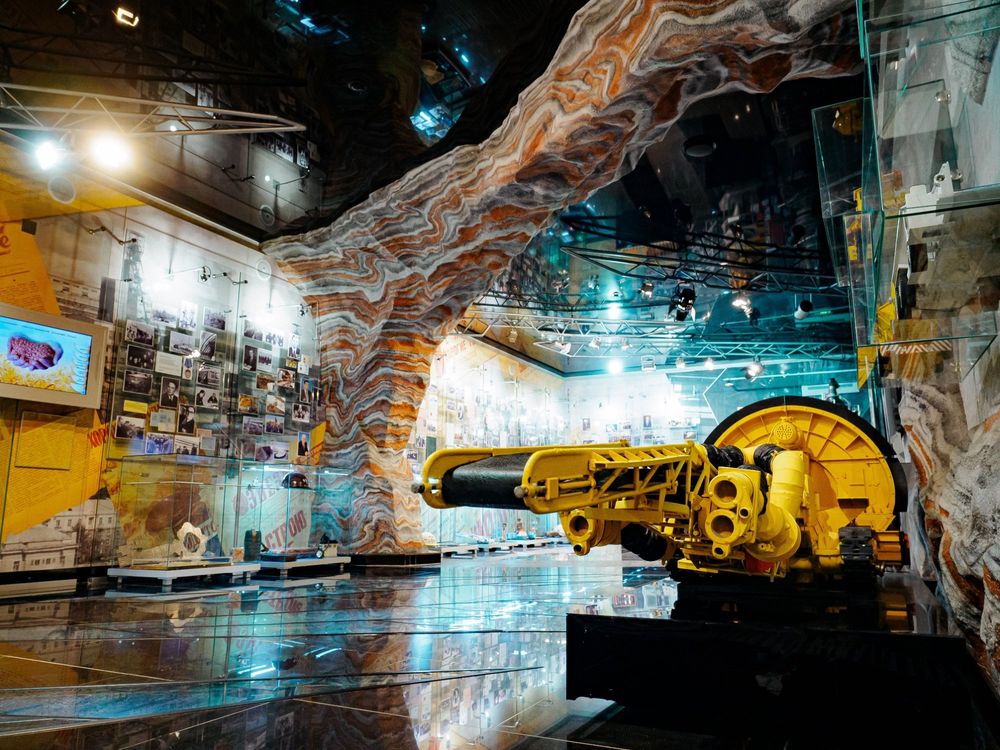
The Uralkali Museum, Russia’s only museum and exhibition centre dedicated to the potash industry. Here, you can learn how potash salts are extracted and turned into fertilisers, while tracing the history of one of the town’s most.
Good to know
If you represent an Indian business looking to work with Russian companies in fertilisers or agricultural chemicals, SberIndia can help you find partners, arrange payments, manage transactions and enter the local market. More than 90% of payments from Russia to India made through Sber currently take less than 10 minutes.
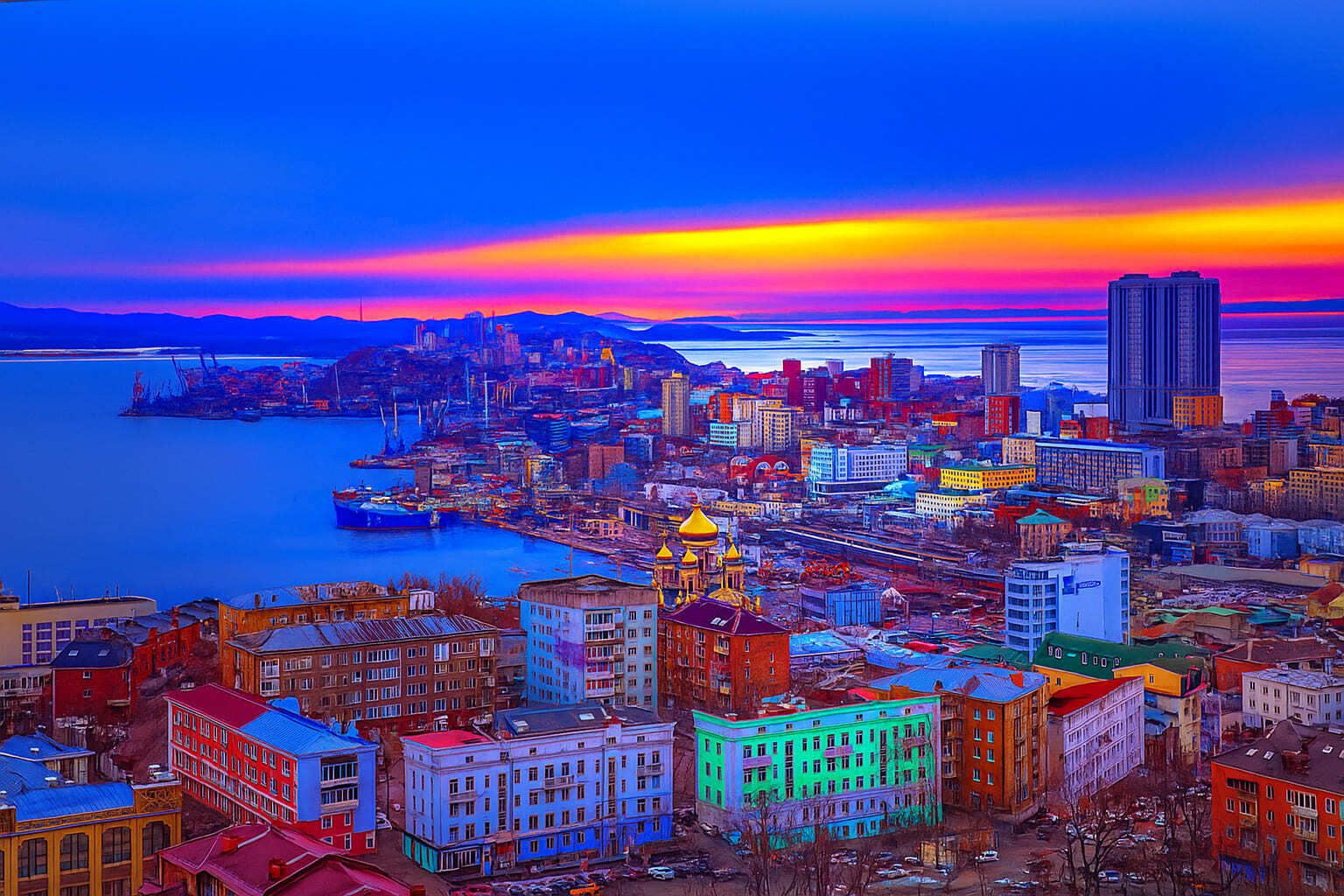
A major port city on the Sea of Japan and one of the main centres of Russia’s Far East.
How to get there
Flying from Moscow is the easiest option. The flight takes around eight hours, so it’s worth setting aside a few days to explore Vladivostok.
Why visit?
To experience the business scene and culture of Russia’s Far East.
Don’t miss
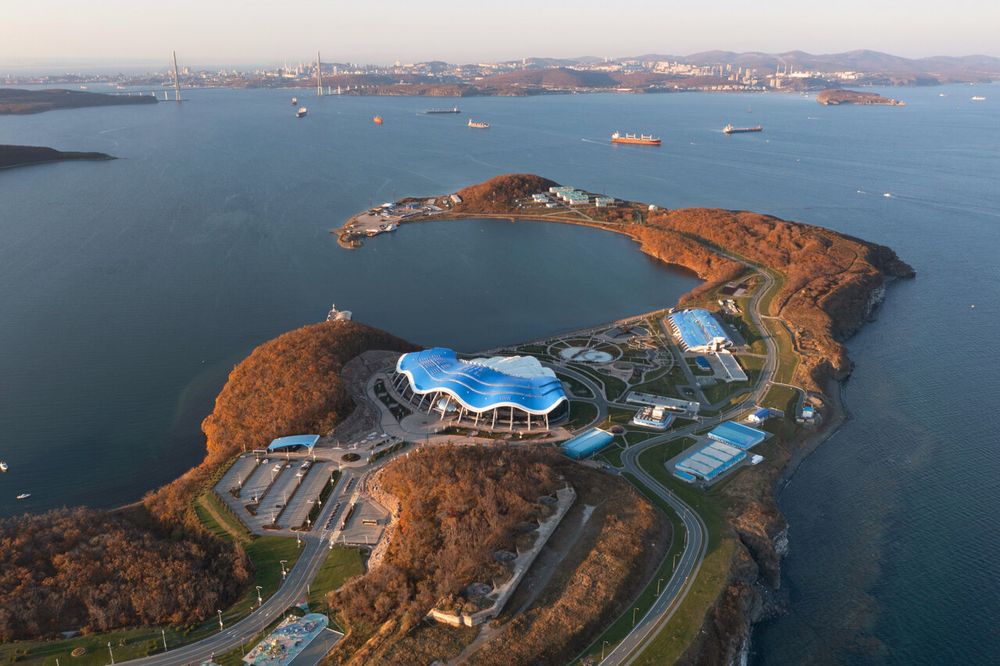
Russky Island, connected to the city by the famous Russky Bridge. Visit the Far Eastern Federal University campus, where the university works closely with countries across the Asia-Pacific region. Every year, it also hosts the Eastern Economic Forum, bringing together businesses from Russia and abroad.
Good to know
Vladivostok is built on hills, so even a casual stroll can turn into a bit of a workout. The reward is some spectacular views. You can even take the city’s famous funicular up towards Eagle’s Nest Hill.
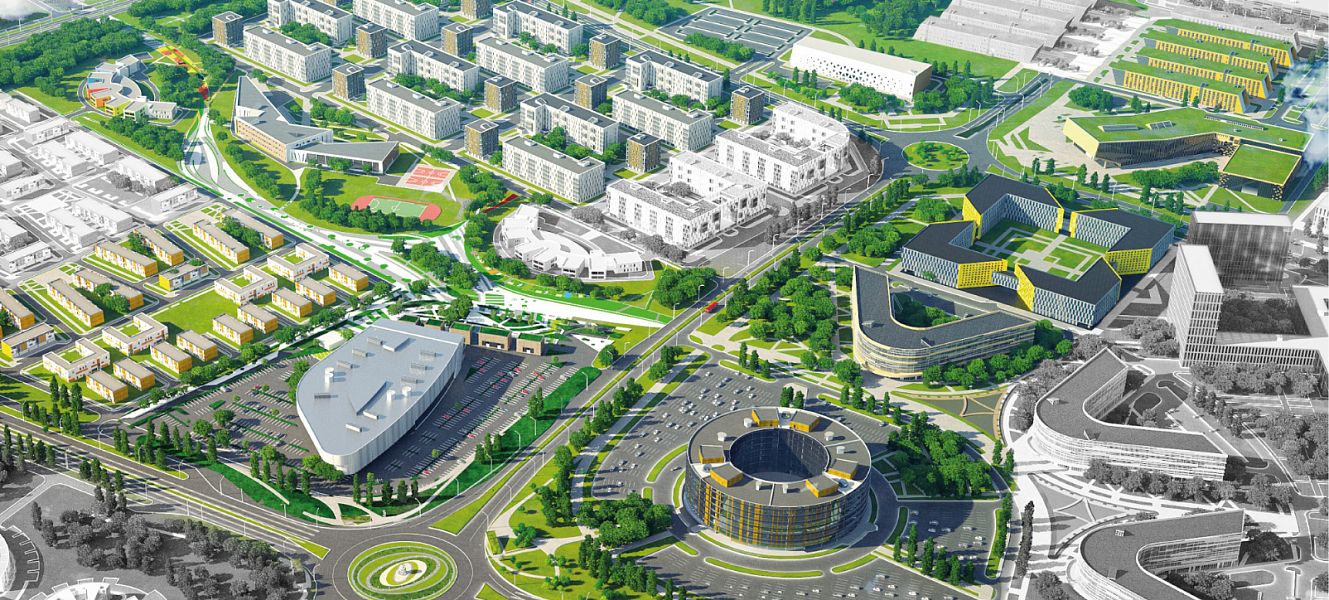
Russia’s youngest city, built as a centre for the IT industry. Technology companies, a university and research laboratories all share the same urban space.
How to get there
Innopolis is about 40 kilometres from Kazan. The easiest way to get there is by car or taxi.
Why visit?
To see what happens when an entire city is built around technology, and to meet some of the Russian companies working in IT.
Don’t miss
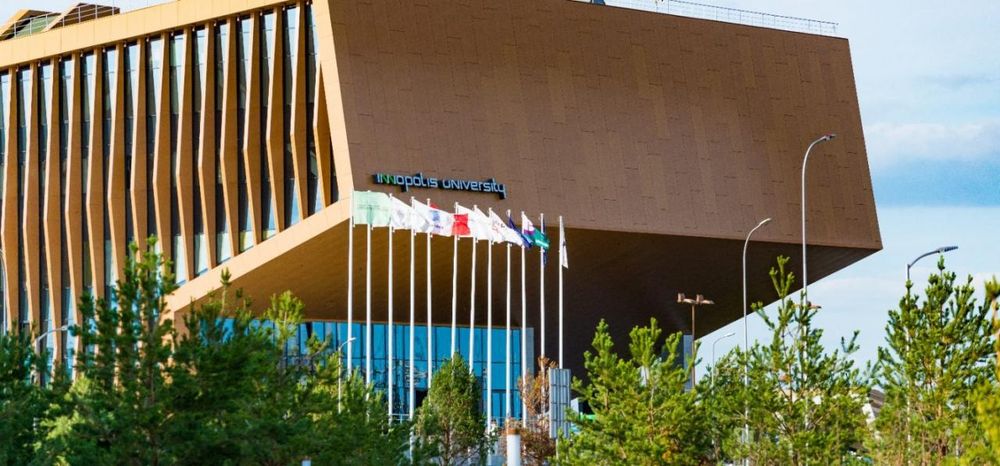
Innopolis University, the heart of the city and one of Russia’s centres for artificial intelligence, robotics and information technology. The university works closely with businesses, which come here to launch joint projects, find promising start-ups and organise IT events.
Good to know
It’s easy to combine a trip to Innopolis with a visit to Kazan. The journey between the two takes less than an hour. Check the university’s events calendar before you go. You might be able to attend a public lecture, conference or another IT event.
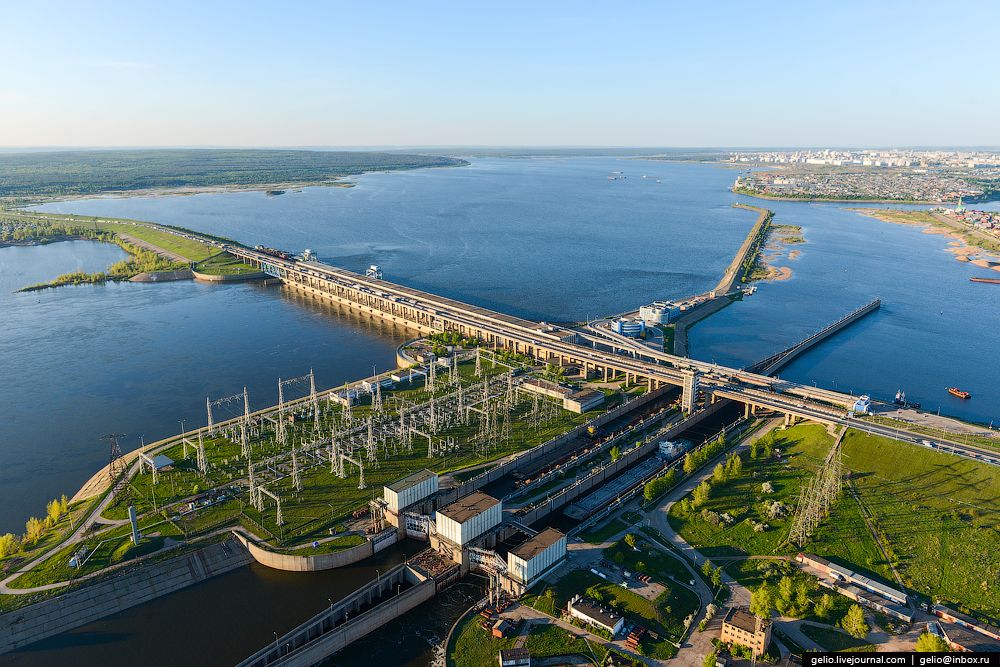
Tatarstan’s second-largest city and one of Russia’s major industrial centres.
How to get there
The easiest way to travel from Kazan is by car or bus. The distance is around 240 kilometres, and the journey takes approximately three to four hours.
Why visit?
To see modern Russian industry in action.
Don’t miss
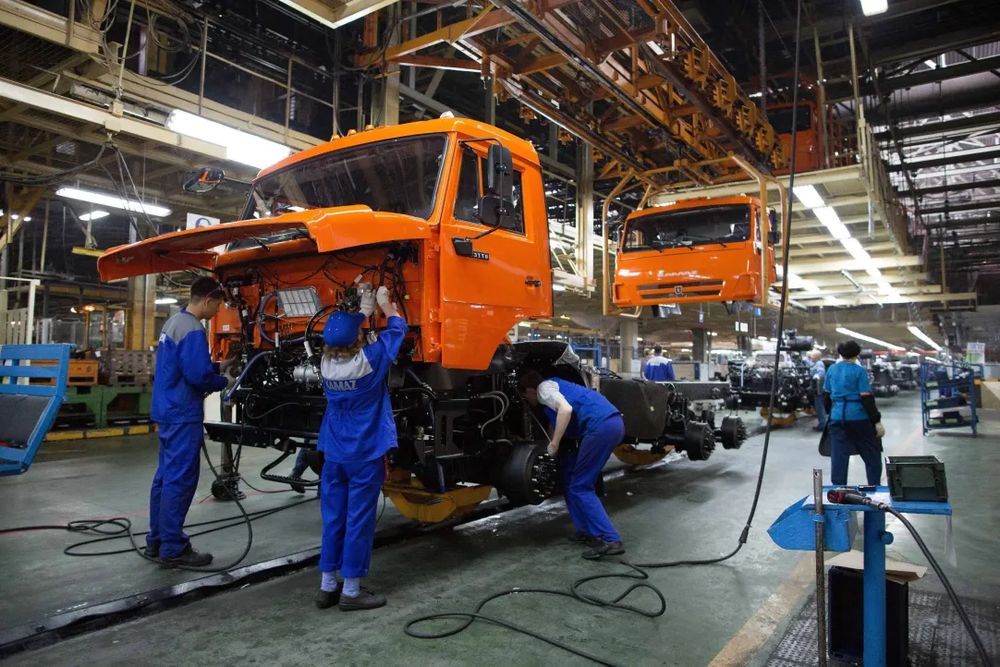
The KAMAZ factory, one of Russia’s largest truck manufacturers. On a guided tour, you can walk through working production halls and see how trucks are made, from the manufacture of engines and cabins to final assembly on the production line.
Good to know
Arrange your visit in advance. Access to the working production facilities usually requires special permission.
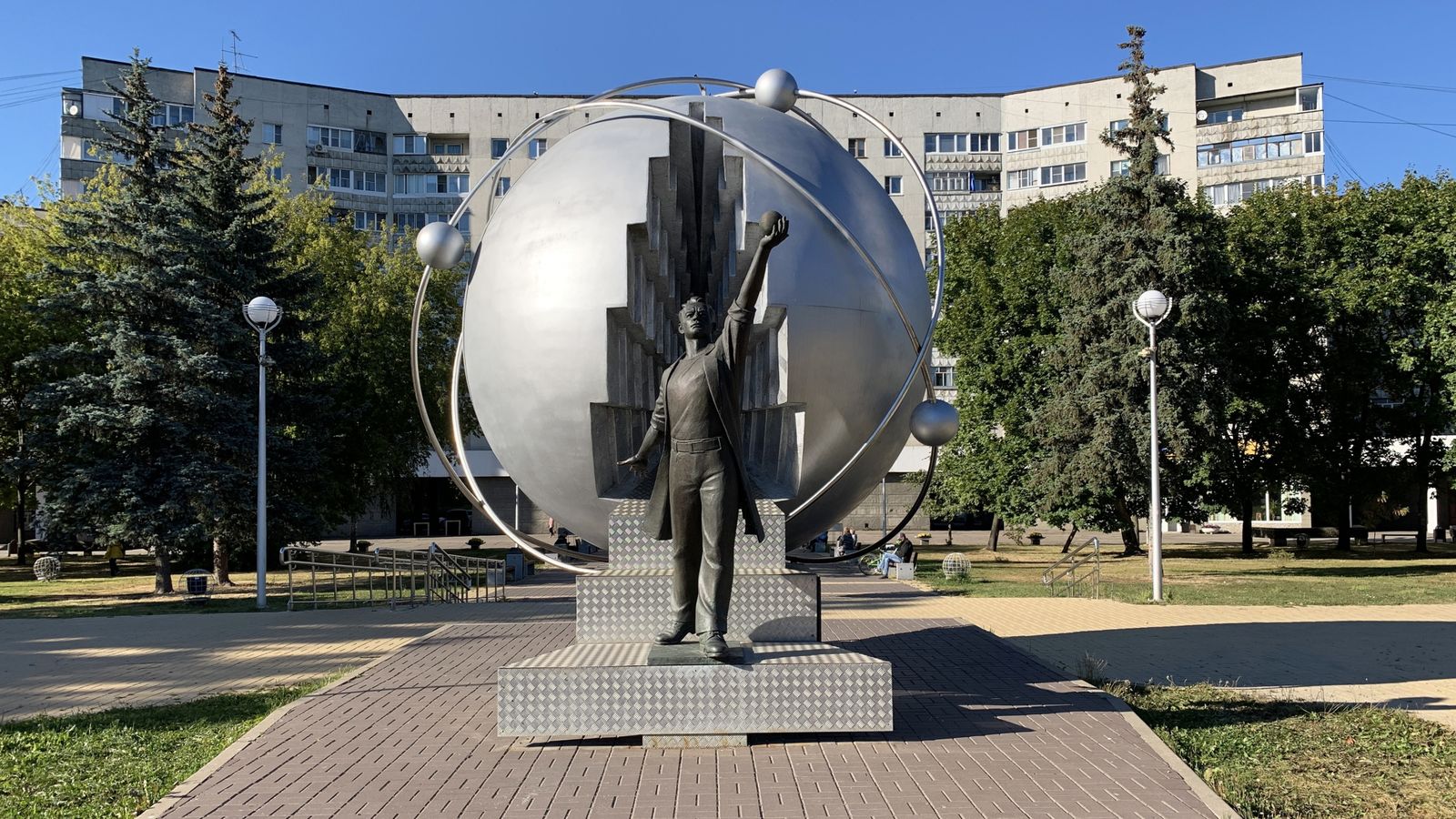
Russia’s first officially designated science city and an important centre for the country’s nuclear industry. It’s home to research and educational institutions working in energy, nuclear medicine and specialist training.
How to get there
Obninsk is about 100 kilometres from Moscow. The journey takes around two hours by train or car.
Why visit?
To trace the development of Russia’s nuclear industry, from the world’s first nuclear power plant to the present day.
Don’t miss
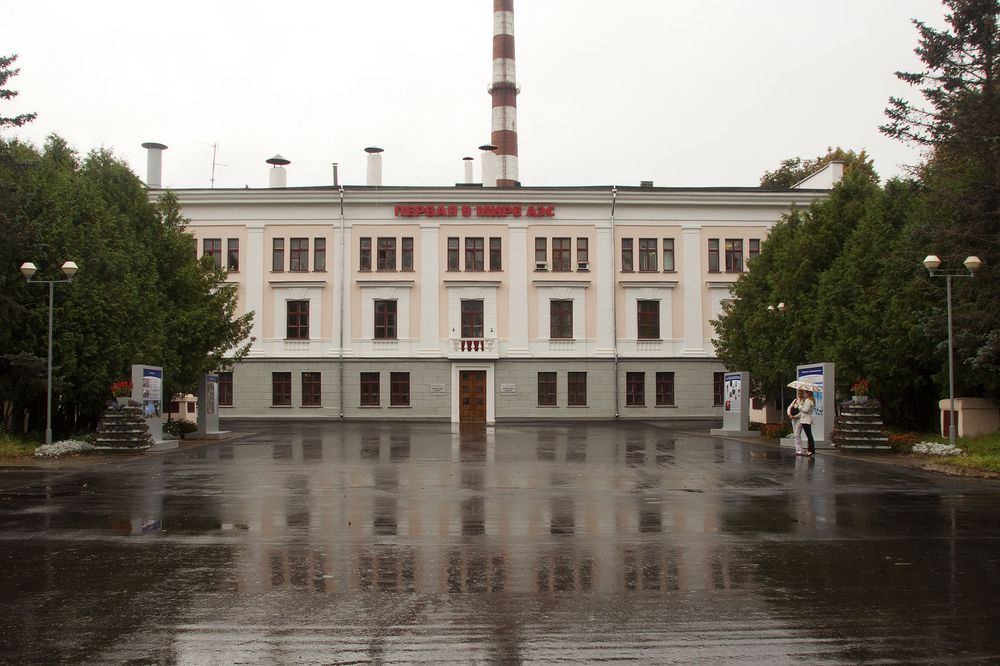
The world’s first nuclear power plant, which opened in 1954. It operated for almost half a century before being turned into a memorial complex.
Good to know
Look out for Rosatom’s Alley of International Cooperation. It showcases nine overseas projects, including India’s Kudankulam Nuclear Power Plant, built with Russian involvement.
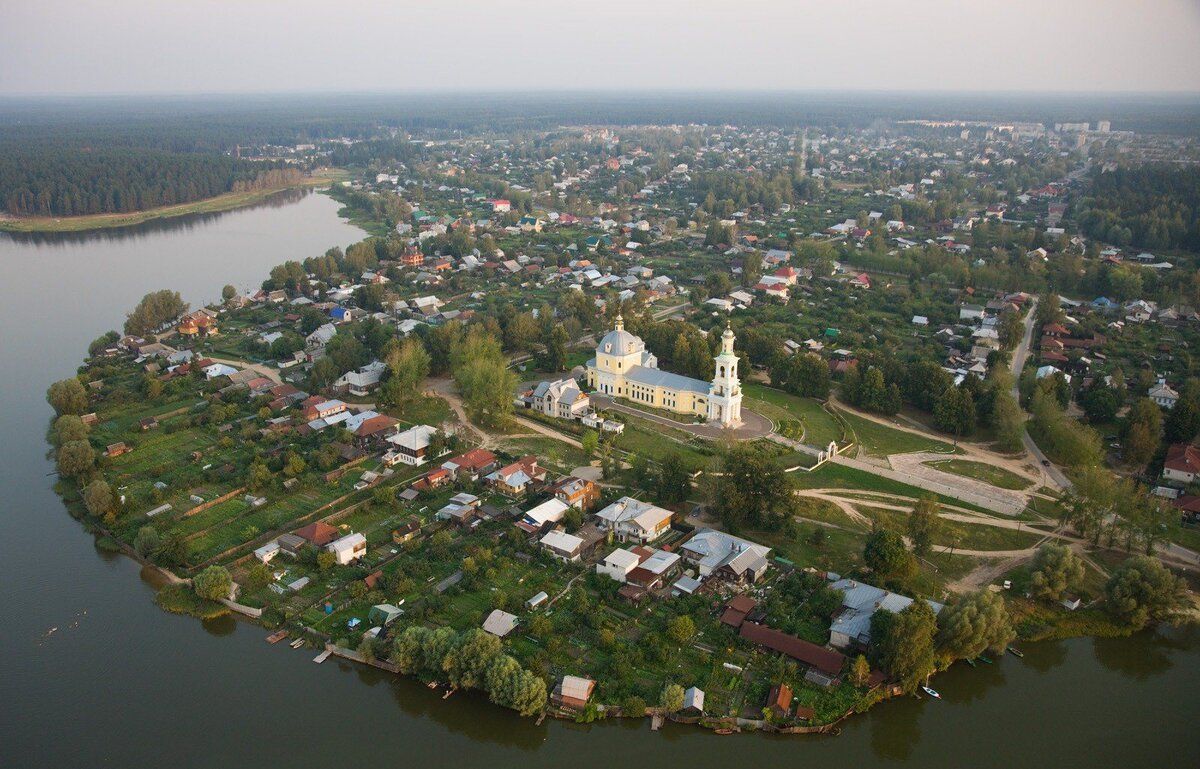
One of Russia’s metallurgical centres. In recent years, Vyksa has also made a name for itself in contemporary art. The town hosts festivals, has its own artist residency, and you’ll find works by contemporary artists dotted around its streets.
How to get there
The easiest route is via Nizhny Novgorod, about 180 kilometres away. From there, it’s roughly a three-hour drive.
Why visit?
To see an unusual example of a town where heavy industry and contemporary art thrive side by side.
Don’t miss
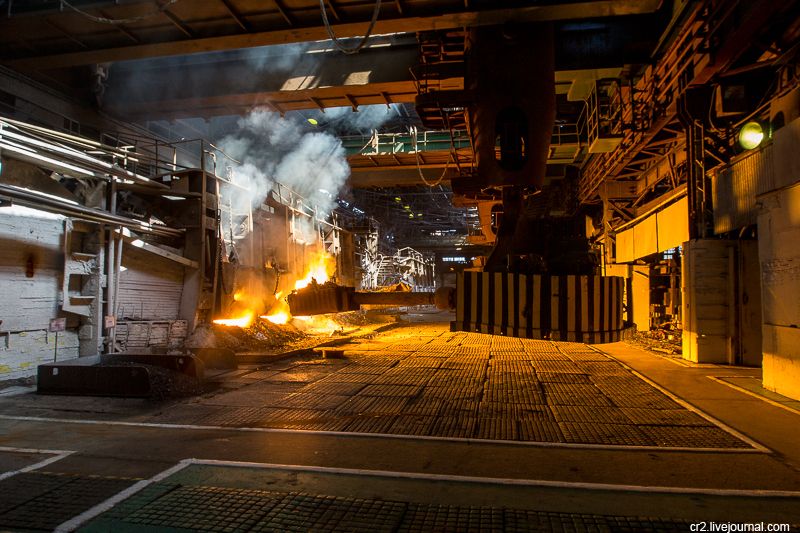
The Vyksa Steel Works, home to some remarkable engineering structures designed by Vladimir Shukhov, including the world’s first sail-shaped lattice roofs. Visits must be arranged in advance.
Good to know
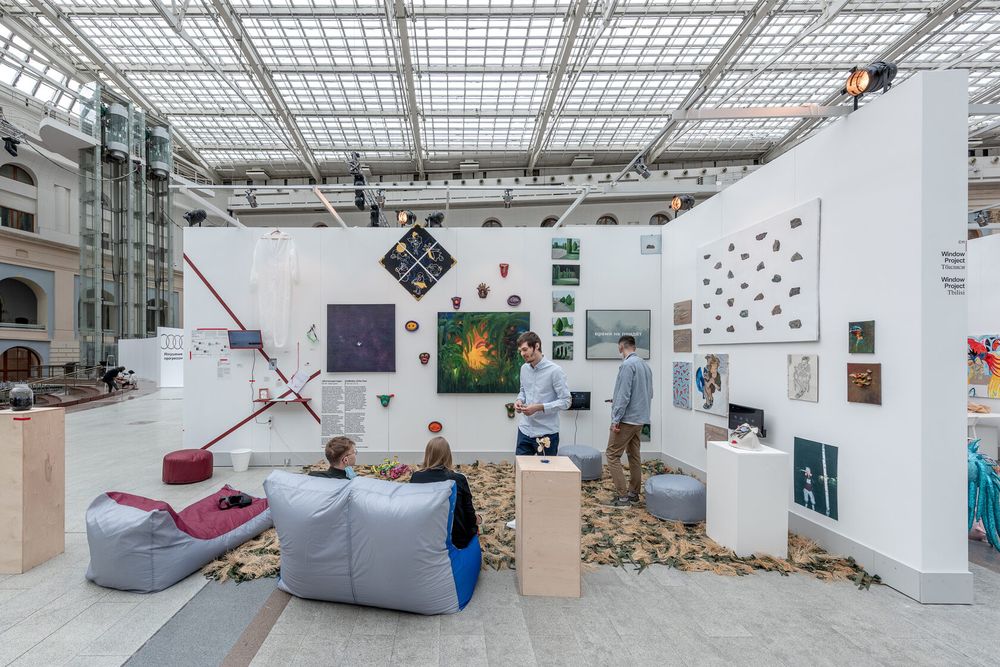
Check the Vyksa artist residency programme before you go. With a bit of luck, your visit might coincide with an exhibition, an artist talk or a workshop.
Culture and Nature
Moscow and the Moscow Region
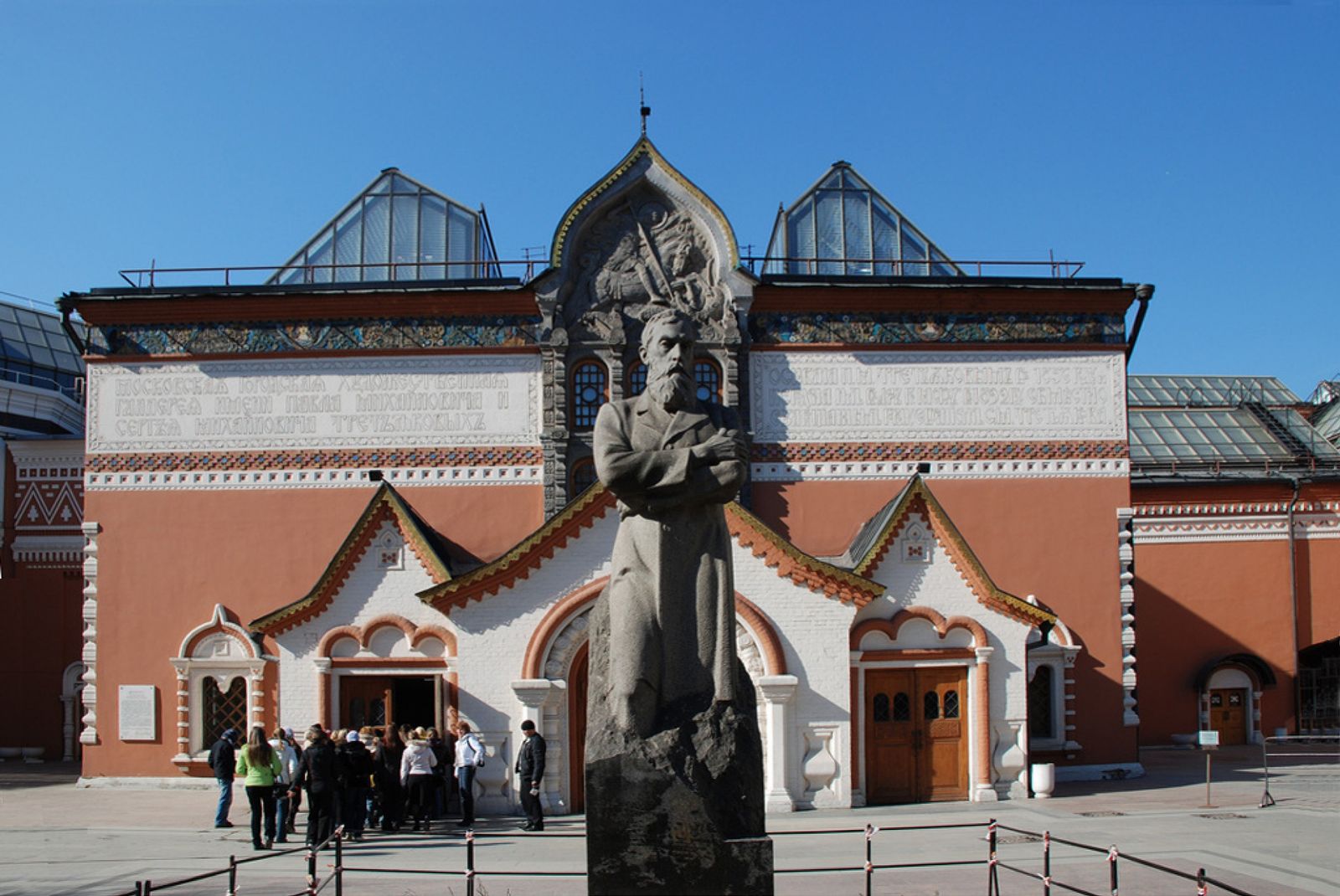
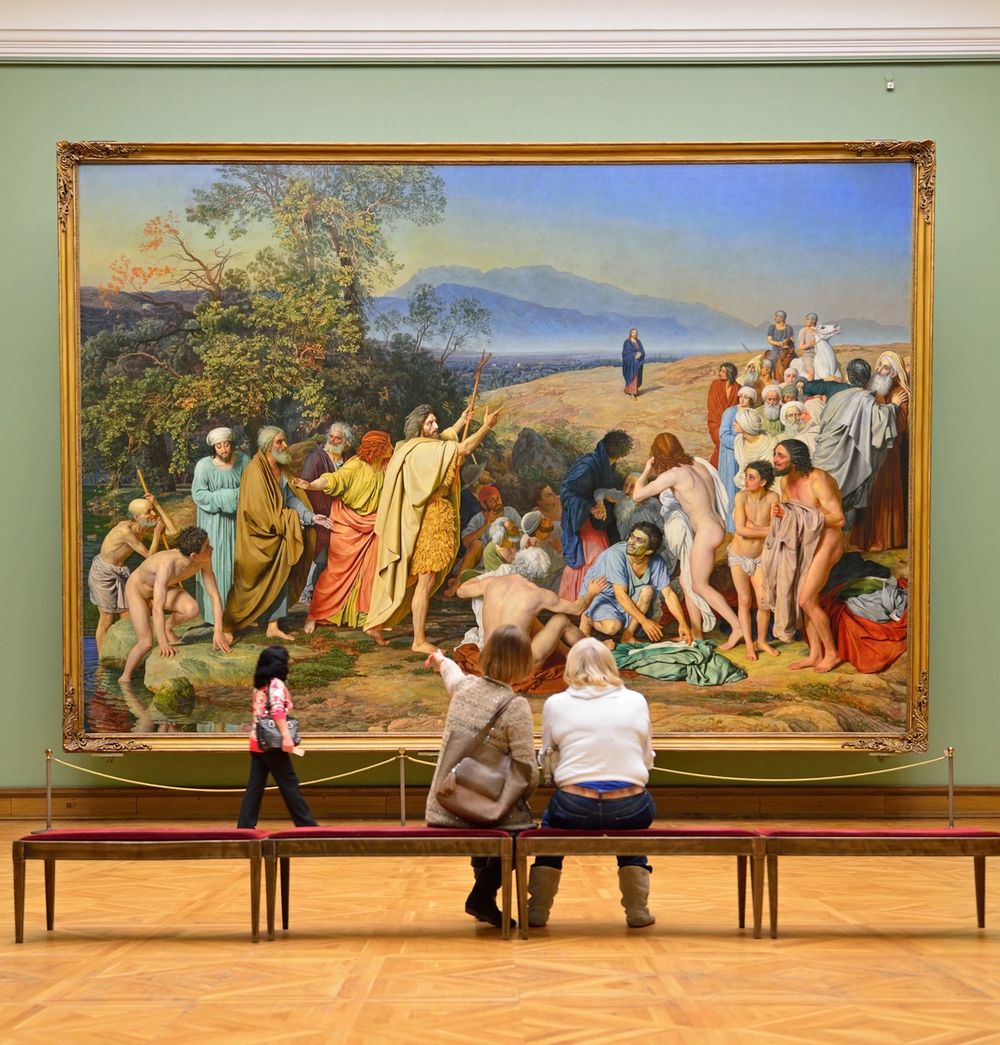
One of Russia’s most important art museums, home to the world’s largest collection of Russian art. The collection was founded by Moscow merchant Pavel Tretyakov, who donated it to the city in 1892.
How to get there
The historic main building is in Lavrushinsky Lane, near Tretyakovskaya metro station in central Moscow.
Why visit?
To trace the history of Russian art, from ancient icons to the great painters of the 19th and early 20th centuries.
Don’t miss
The gallery dedicated to Alexander Ivanov’s monumental painting The Appearance of Christ Before the People.
Good to know
The Tretyakov Gallery has several buildings. For classical Russian art, head to the historic gallery in Lavrushinsky Lane. For art from the 20th and 21st centuries, visit the New Tretyakov Gallery on Krymsky Val.
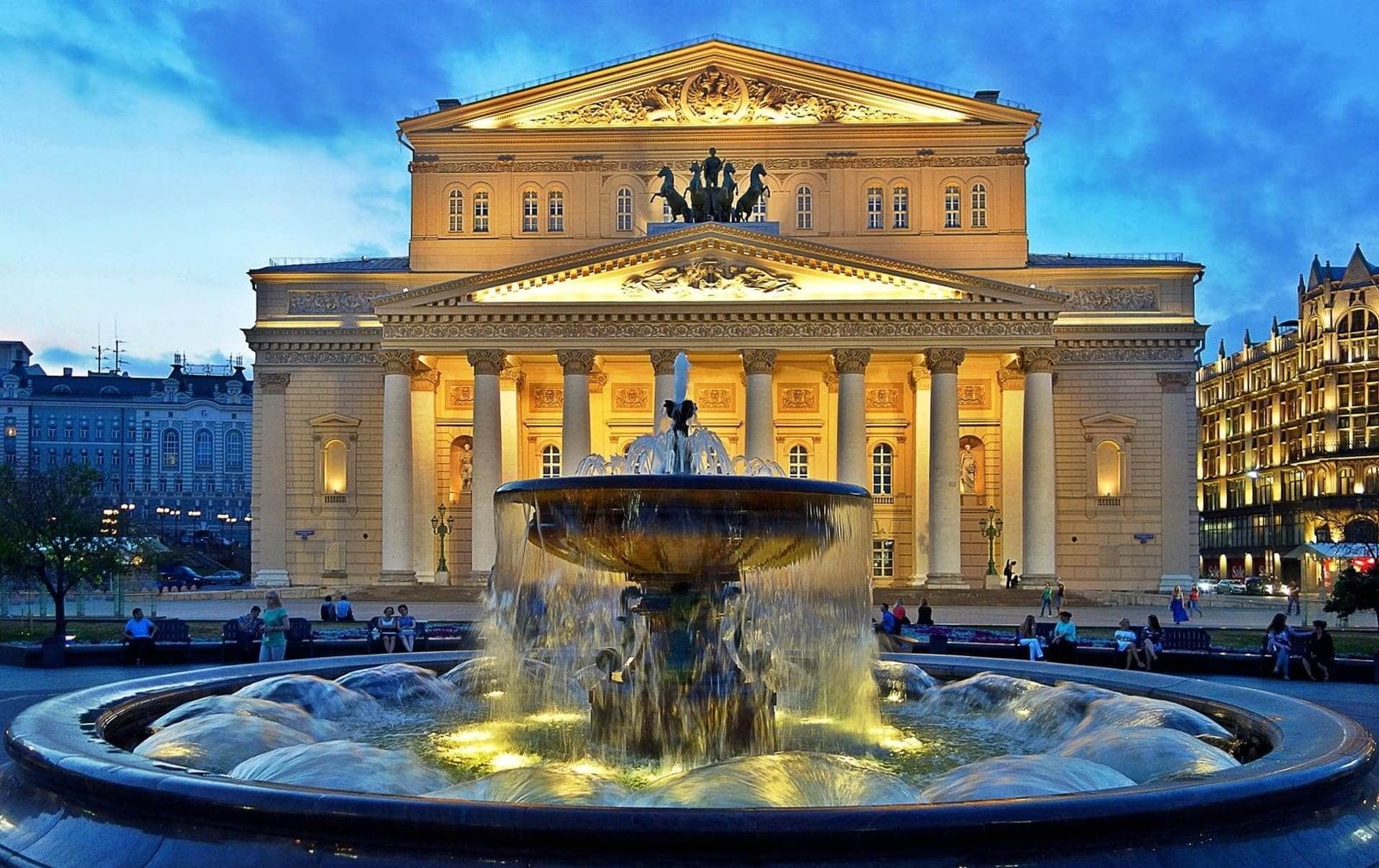
One of the world’s most famous opera and ballet theatres, and still one of the great symbols of Russian culture.
How to get there
The theatre stands on Theatre Square, right in the heart of Moscow, just a few minutes’ walk from Teatralnaya metro station.
Why visit?
To experience Russian ballet or opera on one of the world’s most celebrated stages.
Don’t miss
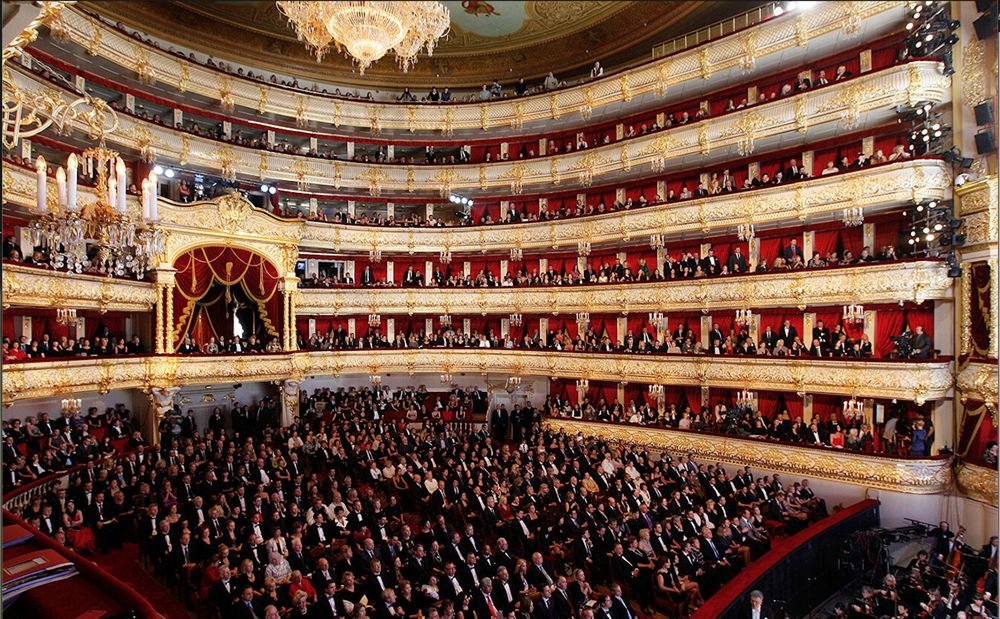
The Bolshoi’s historic stage. The auditorium alone is worth seeing, with its red velvet, gilded decoration and enormous crystal chandelier.
Good to know
Tickets for popular Bolshoi productions, particularly ballets, can sell out quickly. Keep an eye on the theatre’s official website for ticket release dates. Tickets are issued in your name, so you’ll need to provide your identity document details when booking and show the original document at the entrance.
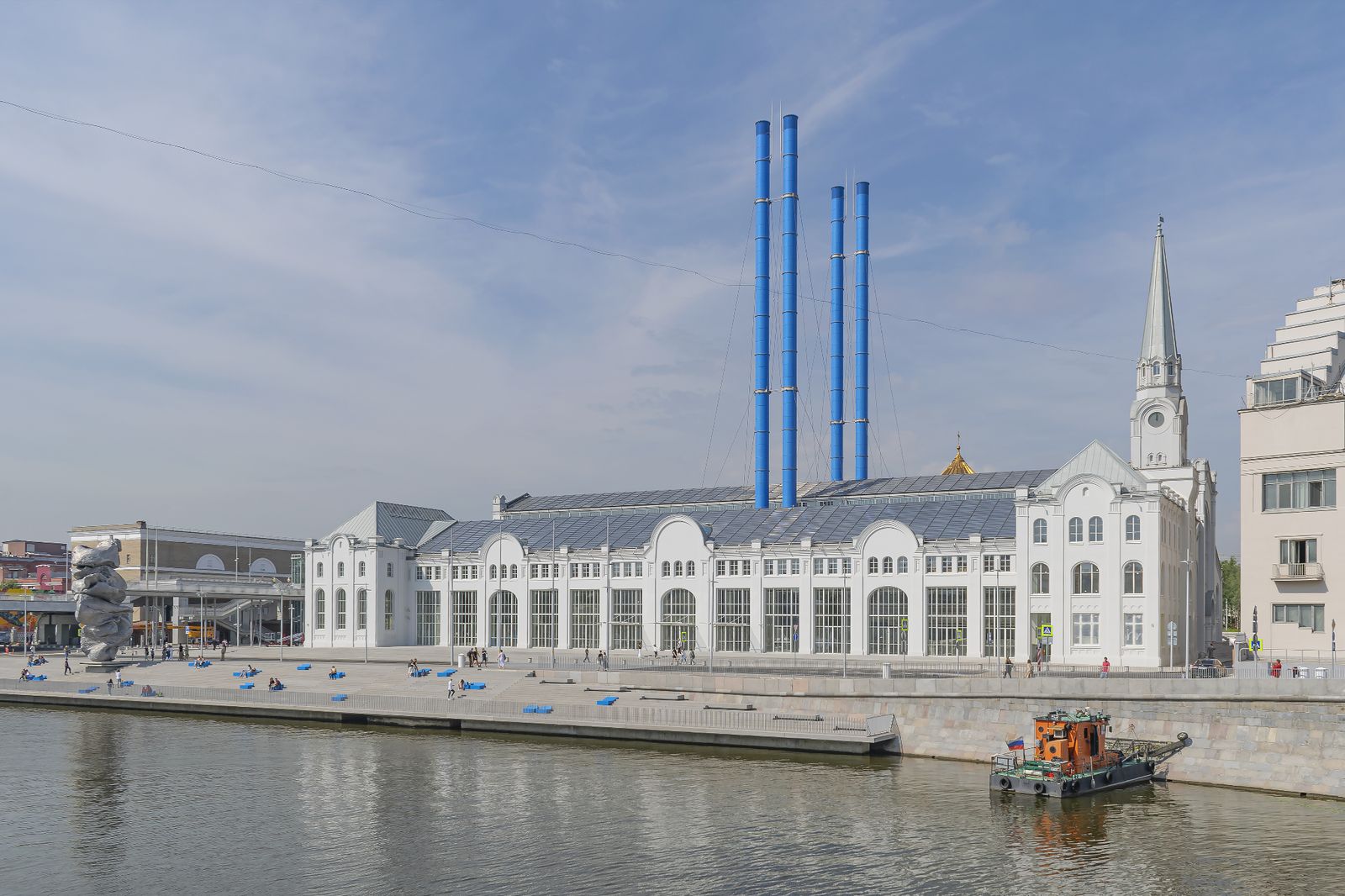
A former power station in central Moscow, transformed into a contemporary cultural centre in 2021. Today, it hosts contemporary art exhibitions, concerts, film screenings, lectures and workshops.
How to get there
GES-2 is on Bolotnaya Embankment in central Moscow, around a 10–15-minute walk from Kropotkinskaya, Polyanka or Tretyakovskaya metro stations.
Why visit?
To get a taste of Moscow’s contemporary cultural scene.
Don’t miss
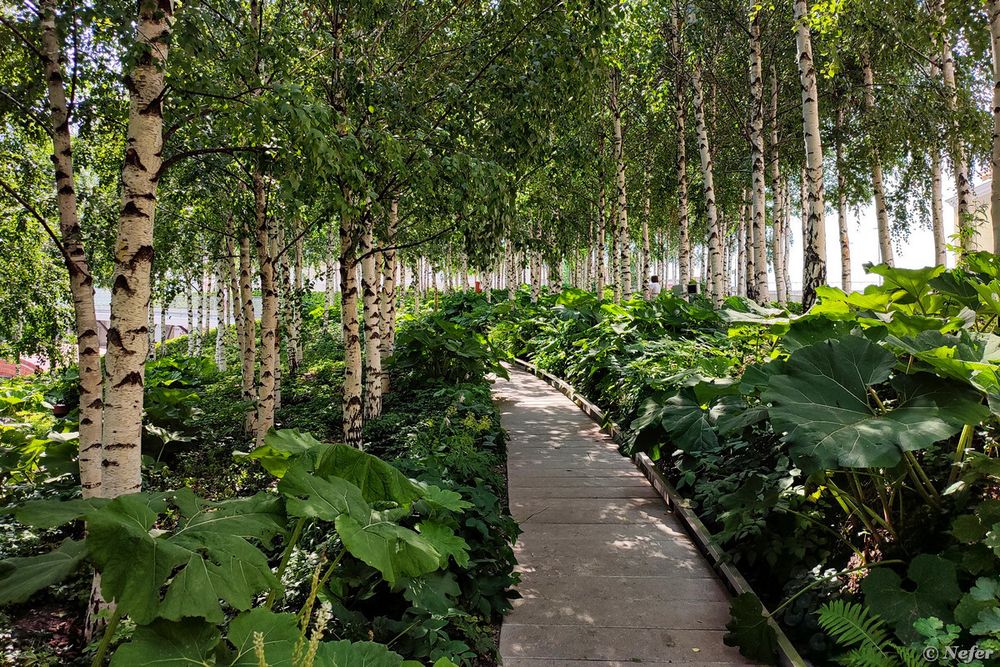
The birch grove, designed by Renzo Piano as part of the GES-2 architectural complex. Take a stroll among the trees, then head up to the viewing platform for views over the Moskva River.
Good to know
Admission to the GES-2 building is free, but you need to register in advance. Exhibitions and some events are ticketed separately. Check the programme before you visit, as there’s always something new happening.
St Petersburg
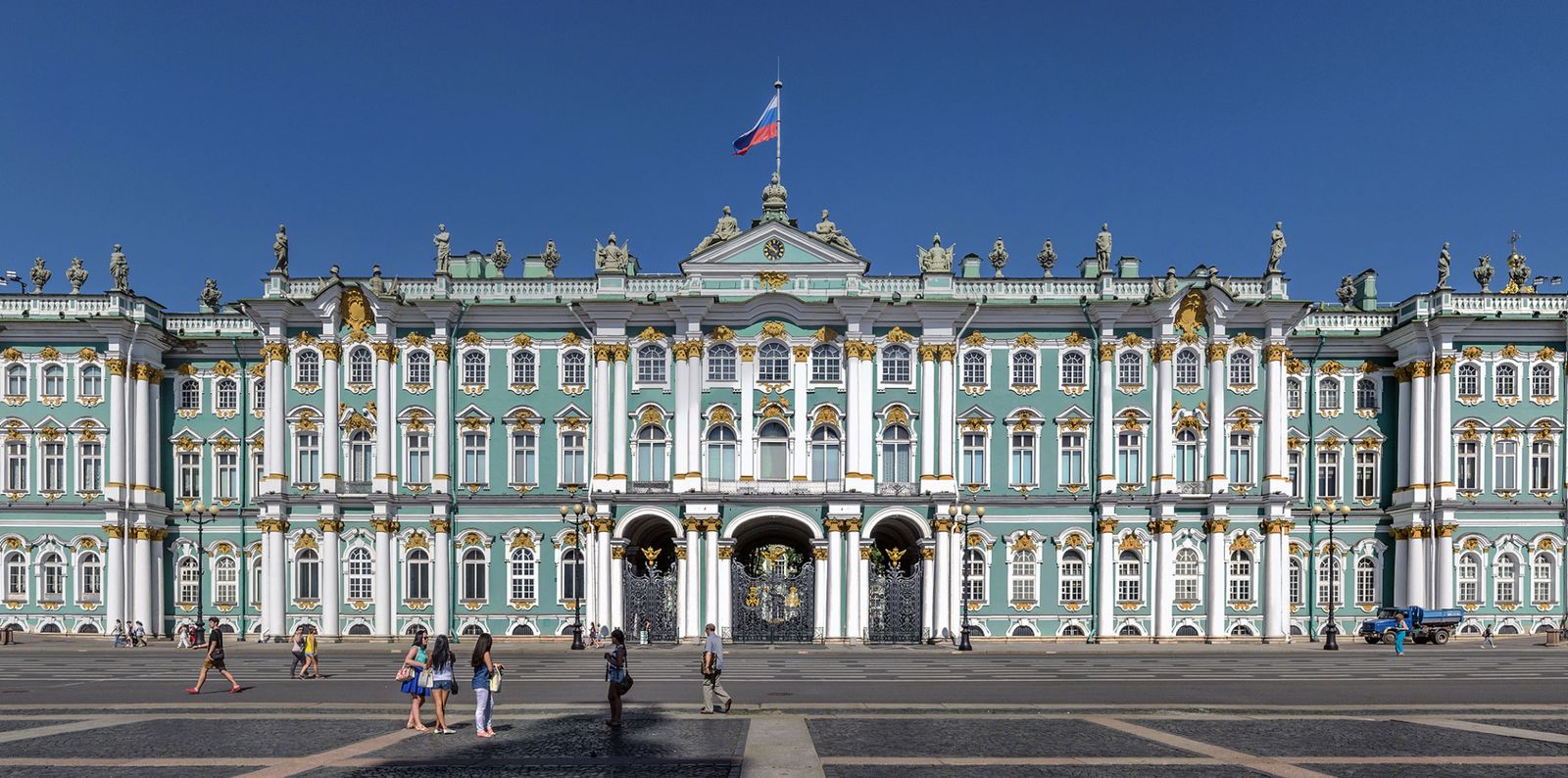
One of the world’s largest art museums. Its main collection is housed in the Winter Palace, once the residence of Russia’s emperors.
How to get there
The main museum complex stands on Palace Square, right in the centre of St Petersburg. The nearest metro station is Admiralteyskaya, about a 10-minute walk away.
Why visit?
To see masterpieces of world art and wander through the magnificent state rooms of a former imperial palace.
Don’t miss
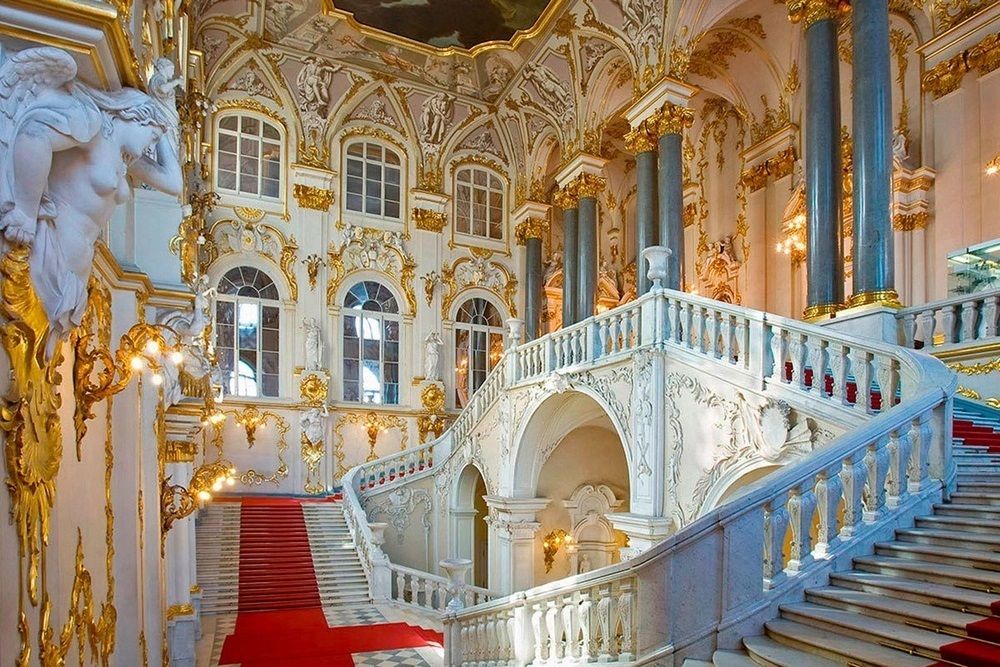
The Jordan Staircase in the Winter Palace. This grand staircase was once used by Russian emperors and their guests on their way to the palace’s ceremonial halls.
Good to know
The Hermitage occupies several buildings. As well as the main complex on Palace Square, it’s worth visiting the General Staff Building opposite, home to an impressive collection of Impressionist and Post-Impressionist art. You’ll need separate tickets for the two buildings, though.
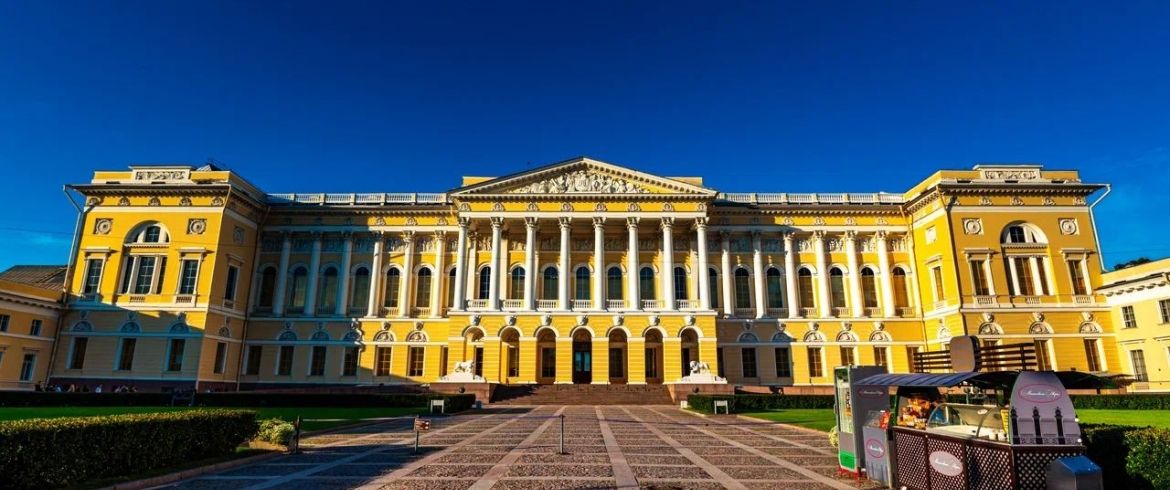
The world’s largest museum of Russian art, where you can follow its development from ancient icons right through to the 20th century.
How to get there
The museum’s main building, the Mikhailovsky Palace, is in central St Petersburg, near the Church of the Saviour on Spilled Blood. The nearest metro station is Nevsky Prospekt.
Why visit?
To explore centuries of Russian art, all under one roof.
Don’t miss
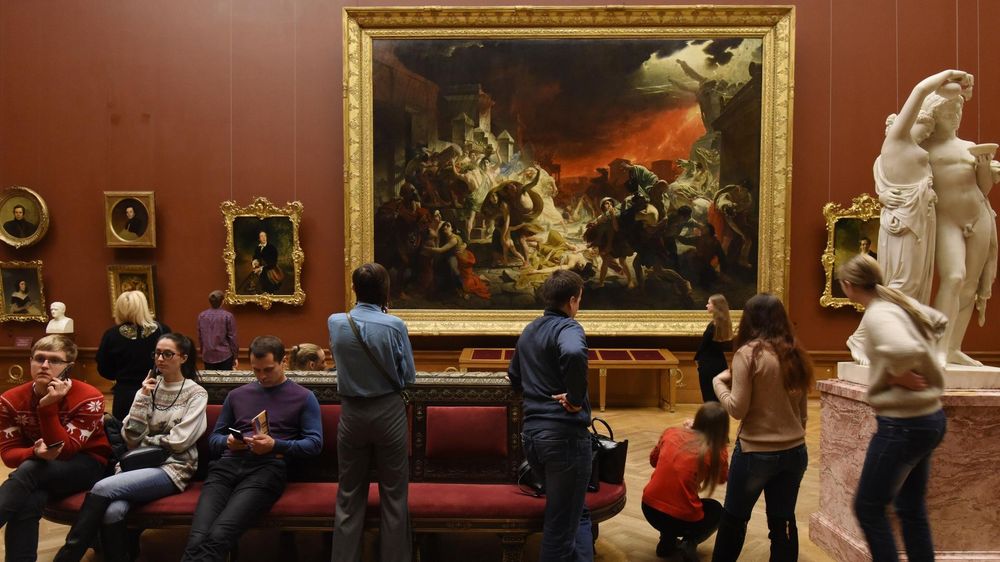
The gallery housing Karl Bryullov’s The Last Day of Pompeii, one of the most famous Russian paintings of the 19th century.
Good to know
The Russian Museum is actually a whole complex of historic buildings. Alongside the Mikhailovsky Palace, it includes the Mikhailovsky Castle, Marble Palace and Stroganov Palace.
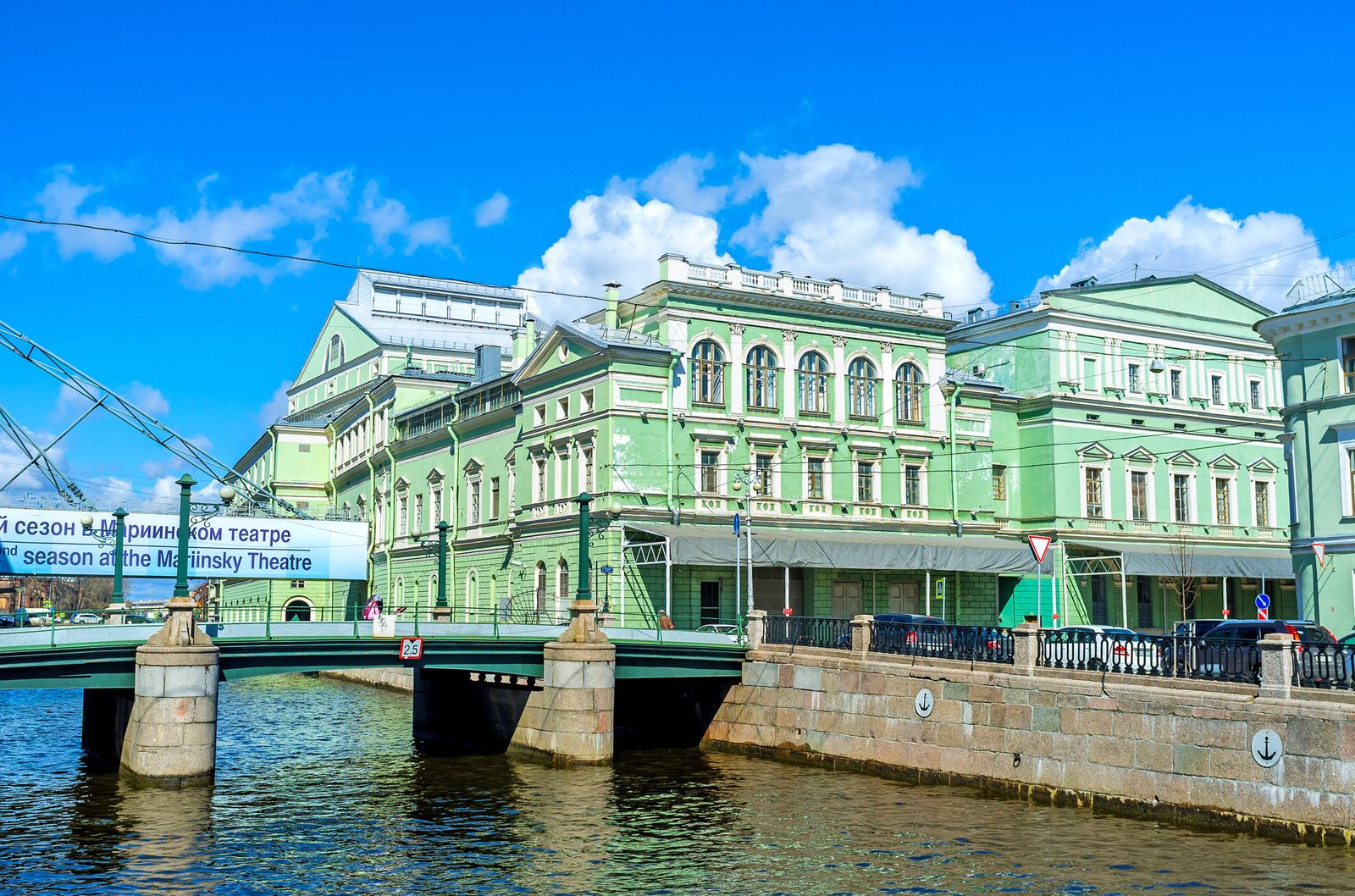
One of Russia’s leading theatres and a historic centre of opera and ballet in St Petersburg.
How to get there
The historic theatre stands on Theatre Square. The nearest metro station is Sadovaya, about a 20-minute walk away or a short drive.
Why visit?
To enjoy Russian ballet or opera on one of the country’s most famous stages.
Don’t miss
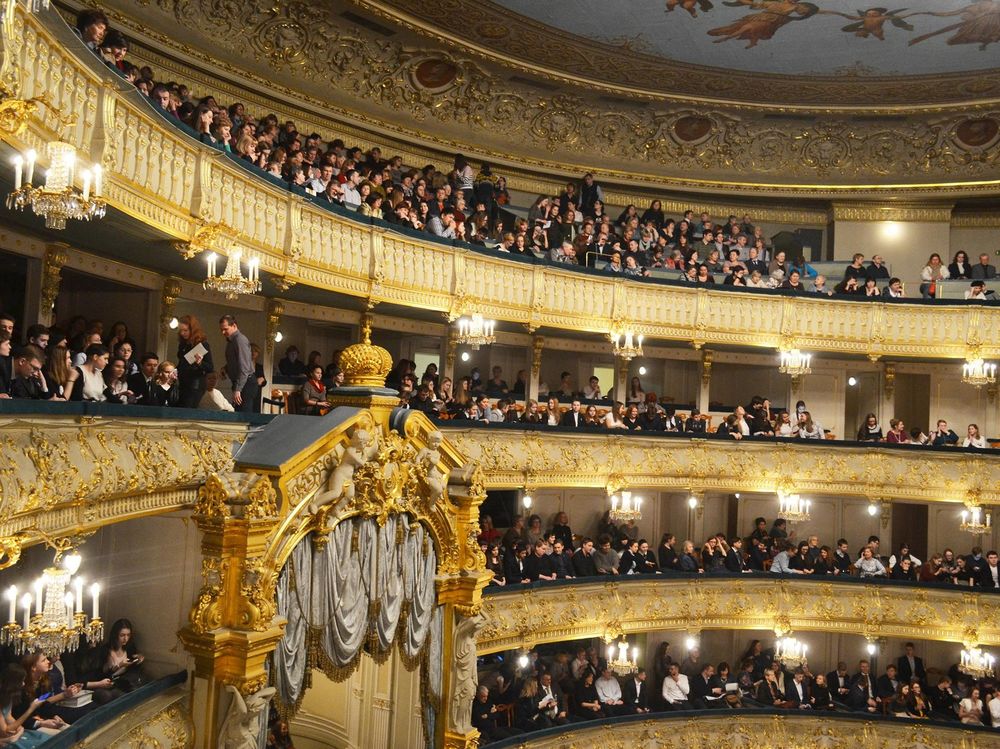
The Mariinsky’s historic stage, which opened in 1860. It was here that ballets by Tchaikovsky and operas by Rimsky-Korsakov had their premieres.
Good to know
The Mariinsky Theatre has several stages in different buildings. If you want to see a performance in the original theatre, make sure you check the venue before buying your ticket.
Other Regions
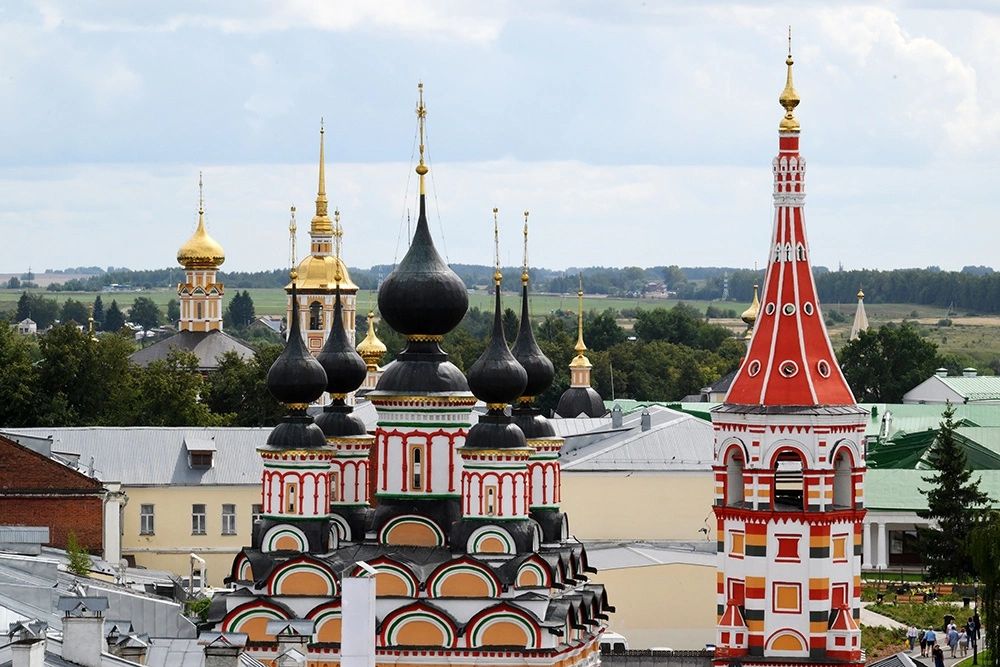
A small town about 200 kilometres from Moscow. In the 12th and 13th centuries, Suzdal was one of the most important centres of north-eastern Rus’. Today, dozens of old churches, monasteries and wooden houses still stand here.
How to get there
Take a high-speed train from Moscow to Vladimir, which takes around two hours. From there, Suzdal is another 30 kilometres away, about 40 minutes by taxi or an hour by bus.
Why visit?
To see what a Russian town looked like before high-rise buildings and wide avenues became the norm.
Don’t miss
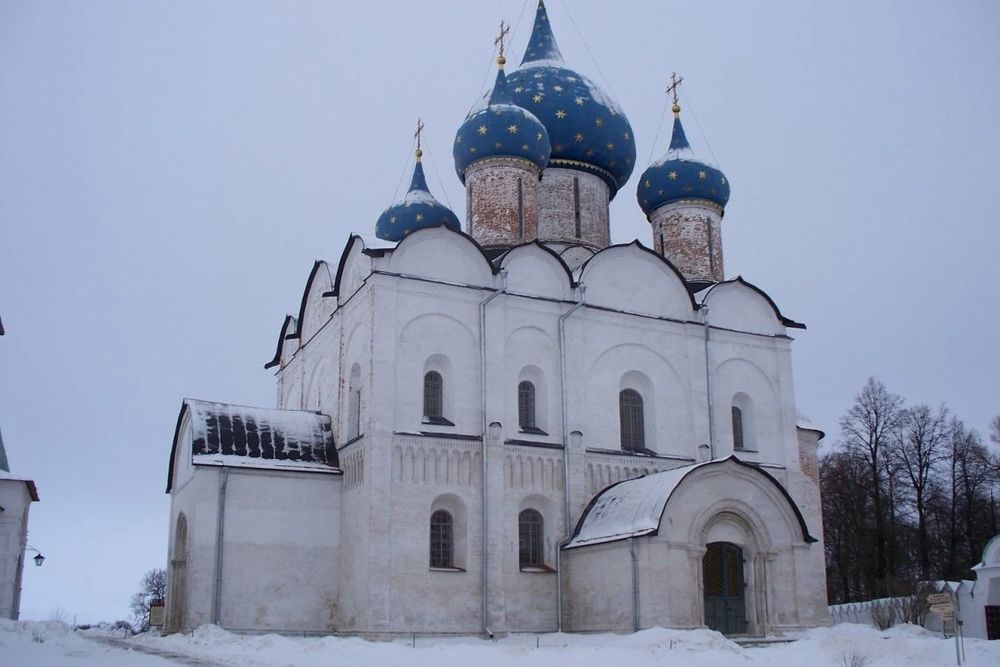
The Cathedral of the Nativity, one of Suzdal’s oldest churches, dating back to the 13th century. Look closely at its famous Golden Gates, decorated with images created using a rare fire-gilding technique.
Good to know
Suzdal is small enough to explore its historic centre on foot. Still, it’s worth setting aside a full day or even staying overnight. Early mornings and evenings are much quieter, with fewer tourists around.
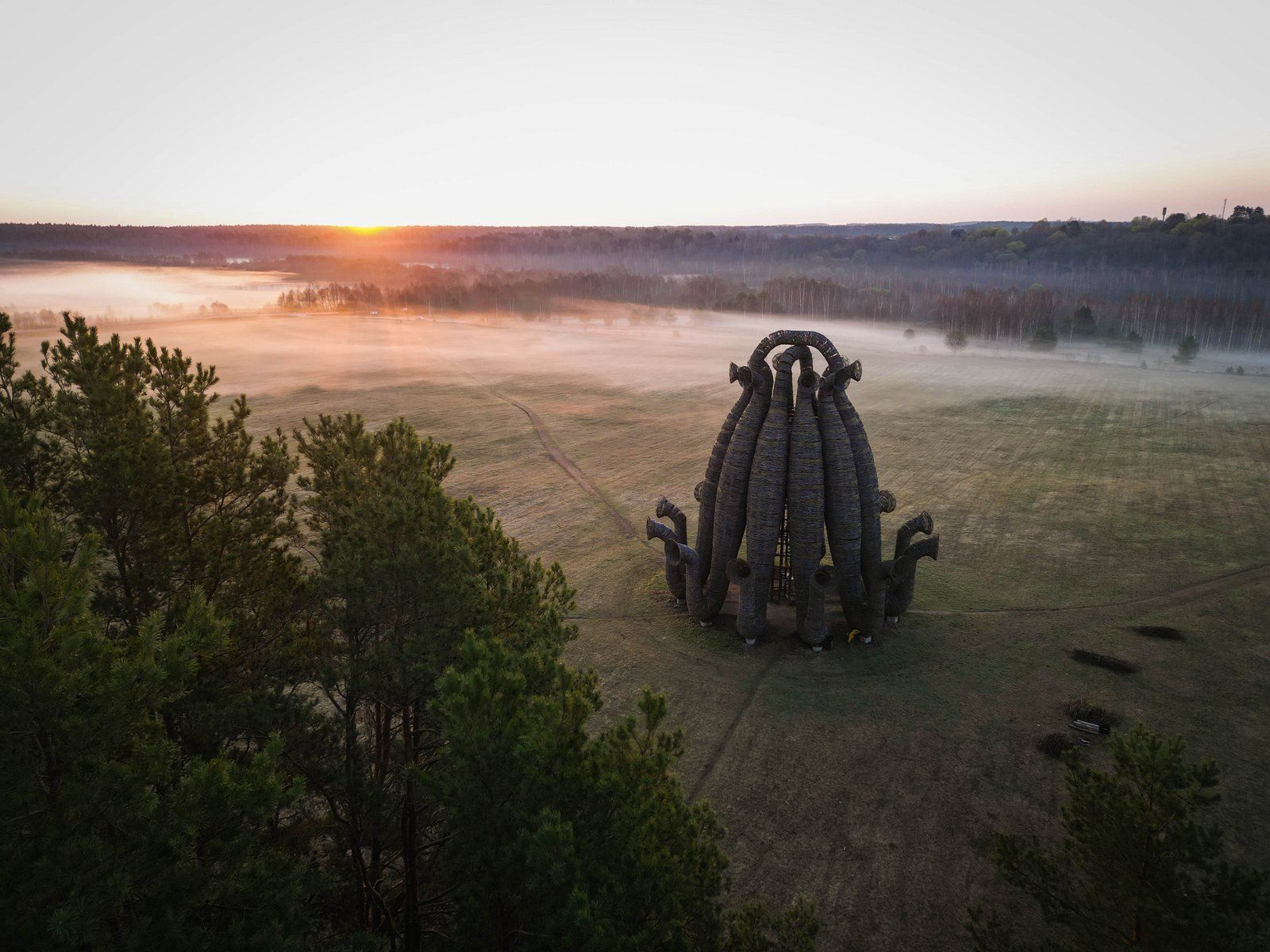
Europe’s largest art park, covering 650 hectares. More than 60 works by Russian and international artists and architects are scattered across its forests and fields.
How to get there
Driving from Moscow is the easiest option, taking around three hours. Alternatively, you can take a suburban train to Obninsk, Maloyaroslavets or Kaluga, then continue by taxi.
Why visit?
To discover contemporary art in the middle of forests and fields. You can even step inside some of the installations.
Don’t miss
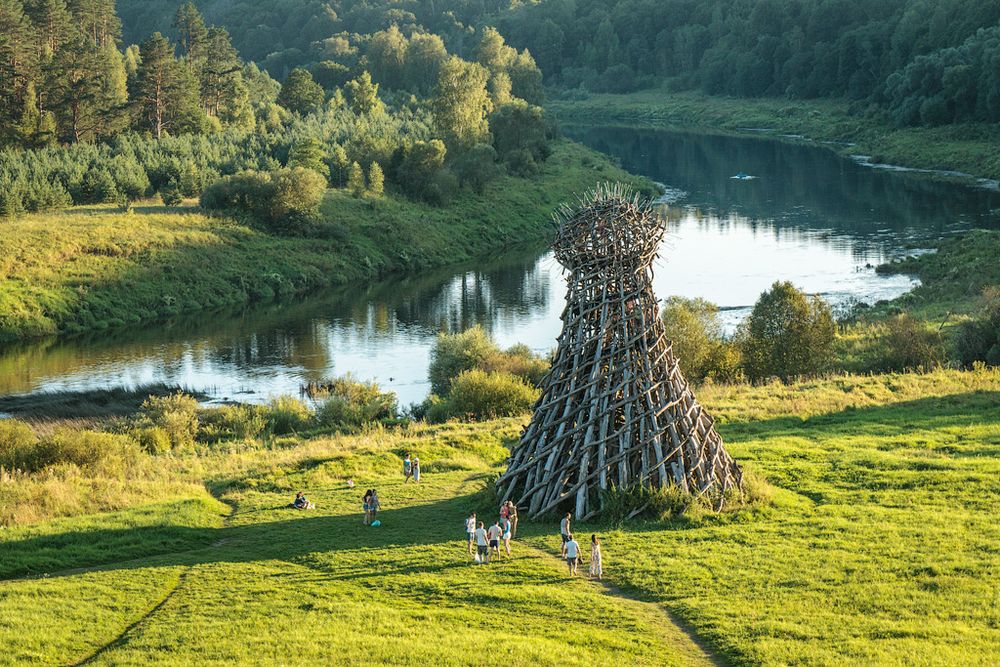
The Lighthouse by Nikolay Polissky. This 18-metre tower on the banks of the Ugra River is built from elm trunks and has become one of Nikola-Lenivets’ best-known landmarks. You can climb it for views across the surrounding park.
Good to know
You’ll need at least two days to explore the whole park. You can even spend the night inside a work of art: some of the installations created for the Archstoyanie festival double as guest accommodation.
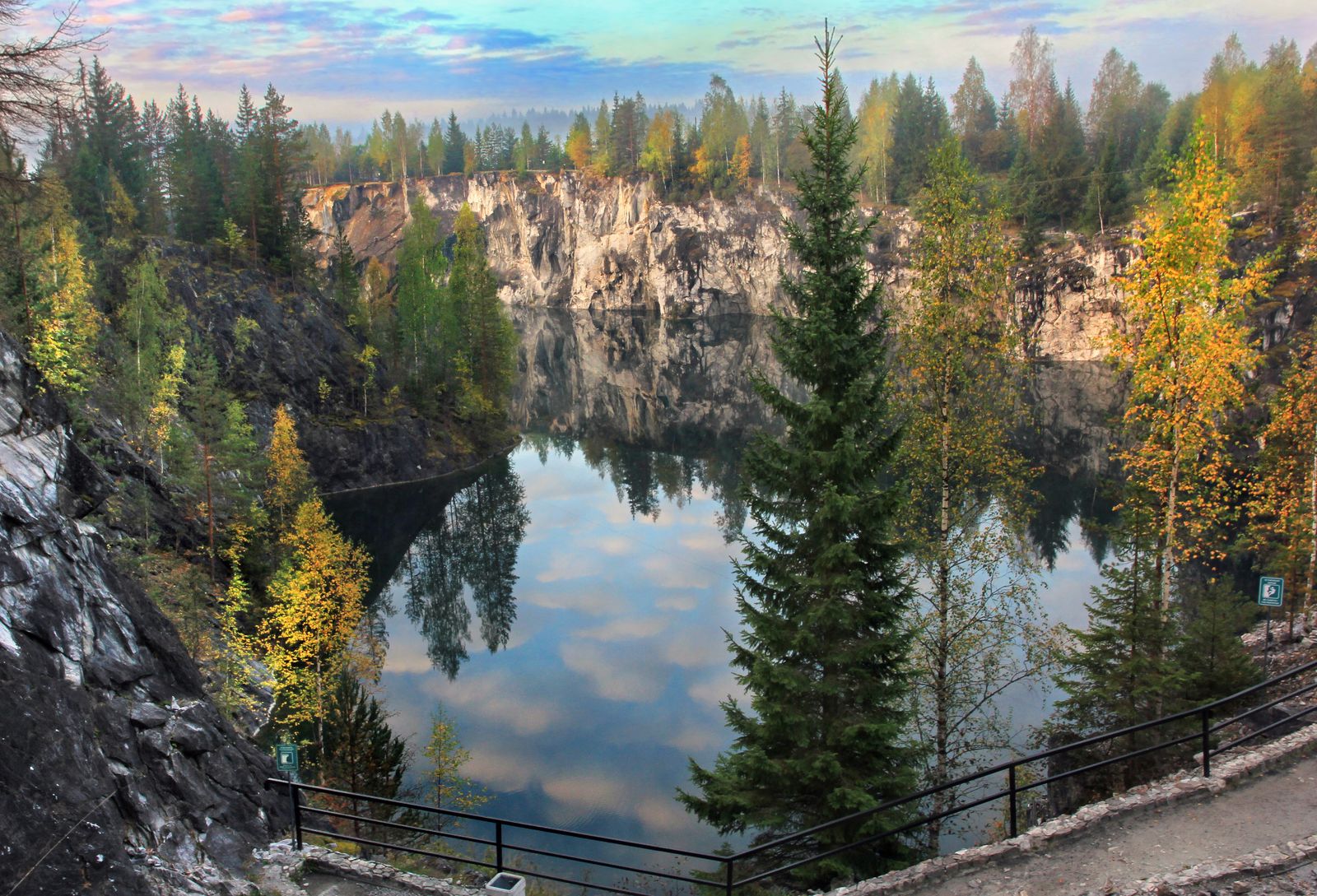
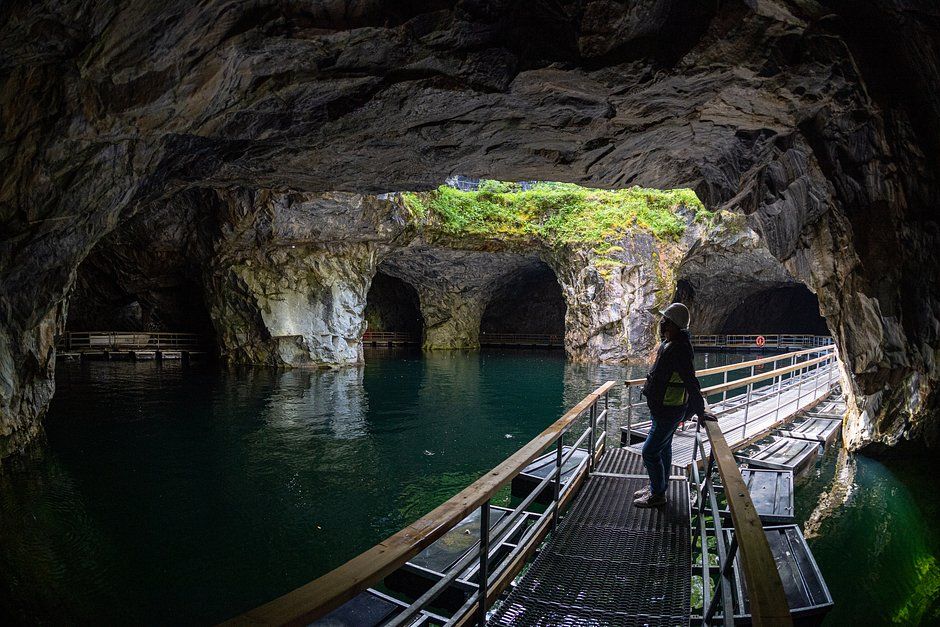
A former marble quarry near the Finnish border. Marble from here was used to build St Isaac’s Cathedral, Mikhailovsky Castle and other landmarks in St Petersburg. The quarry later filled with water, and today it’s a scenic mountain park.
How to get there
Take a train from St Petersburg to Sortavala, a journey of around four hours. From there, hop aboard the unusual Ruskeala Express, a steam train styled after the late 19th century. The journey takes just over an hour.
Why visit?
To see an unusual combination of natural beauty and industrial history.
Don’t miss
The Marble Canyon. Walk along its steep marble walls, or hire a boat in summer to admire them from the water. If you’d like to explore the old underground marble tunnels, book the Underground Ruskeala guided tour in advance. You can’t enter them on your own.
Good to know
Bring some warm clothes, even in summer. The weather in Karelia can change quickly, and evenings in Ruskeala can be chilly.
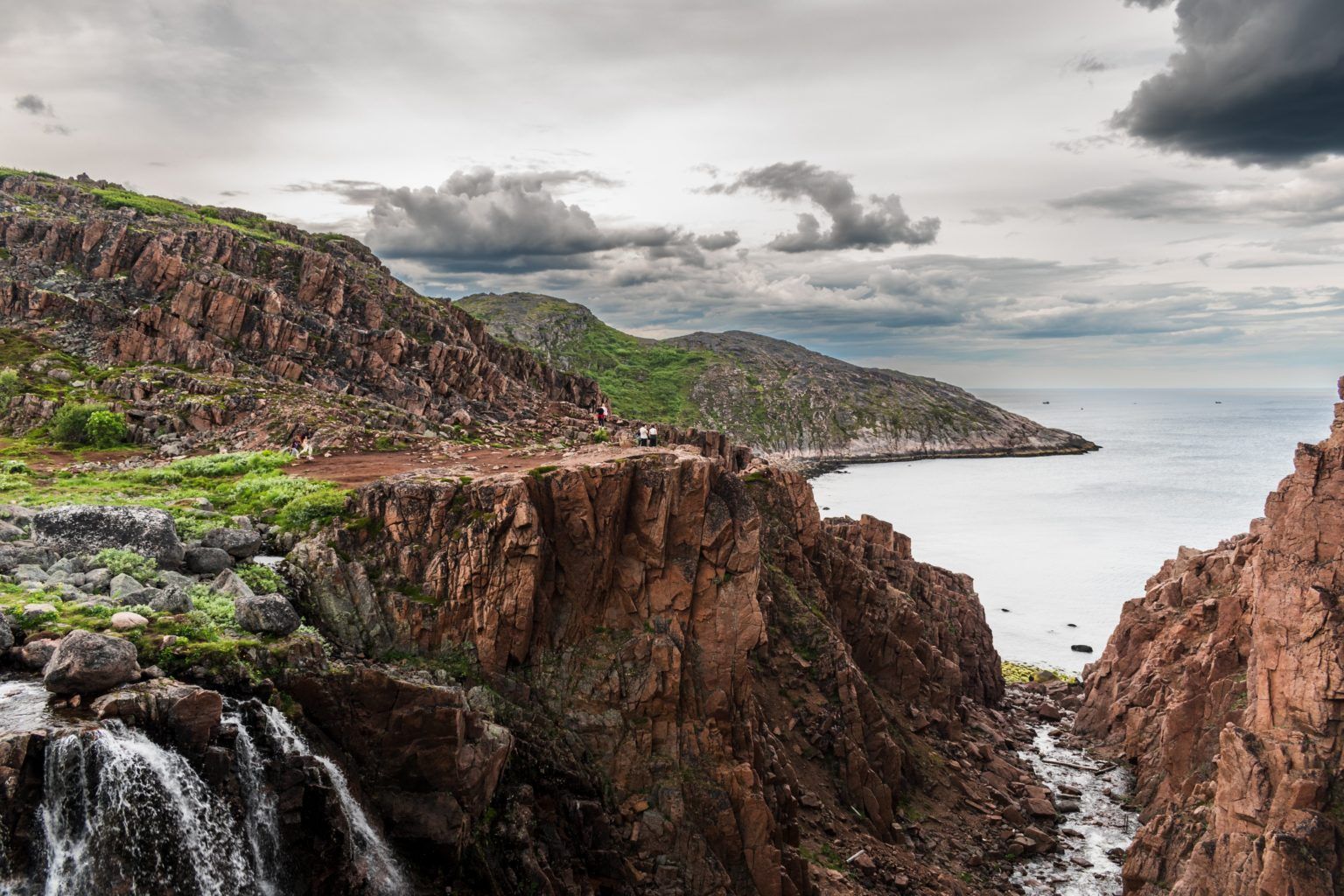
A small fishing village on the Kola Peninsula, about 120 kilometres from Murmansk.
How to get there
First, fly to Murmansk. The flight from Moscow takes around two to two and a half hours. From there, it’s another 120 kilometres to Teriberka, which you can cover by car, shuttle transfer or public bus.
Why visit?
To experience the Russian Arctic without having to organise a full-scale expedition.
Don’t miss
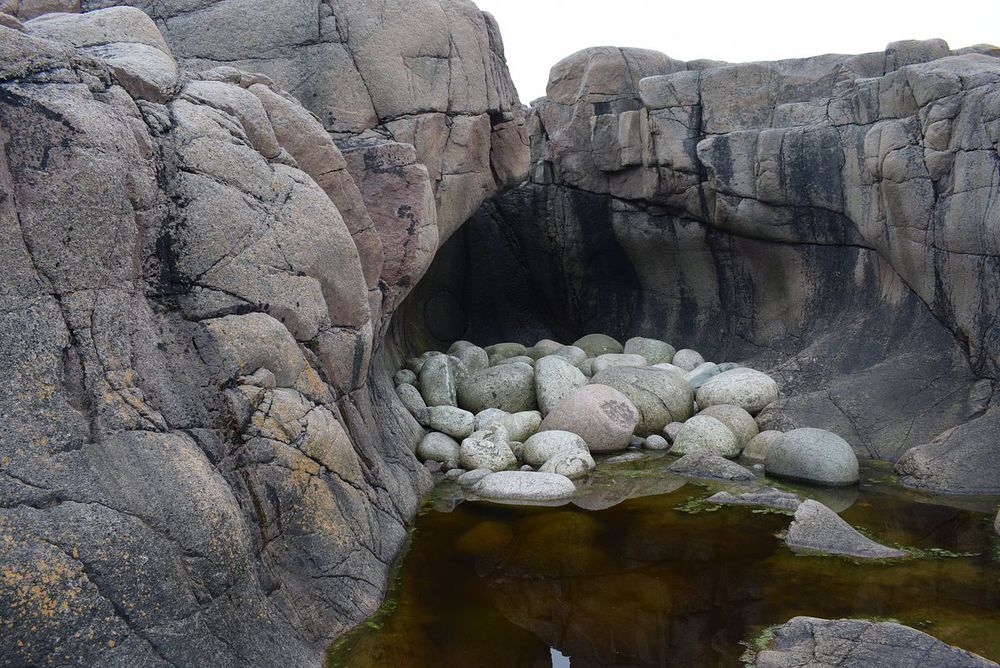
Teriberka Nature Park, where a walking trail winds through the tundra along the Barents Sea coast. Along the way, you’ll come across the famous Dragon Eggs Beach, named after its large, rounded stones. At the end of the trail, you’ll reach Batareysky Waterfall, where water tumbles over the cliffs almost directly into the sea.
Good to know
Apply online for a permit to enter the nature park before your visit. Without one, you can still travel to Teriberka village, but you won’t be able to follow the trail to its main natural attractions.
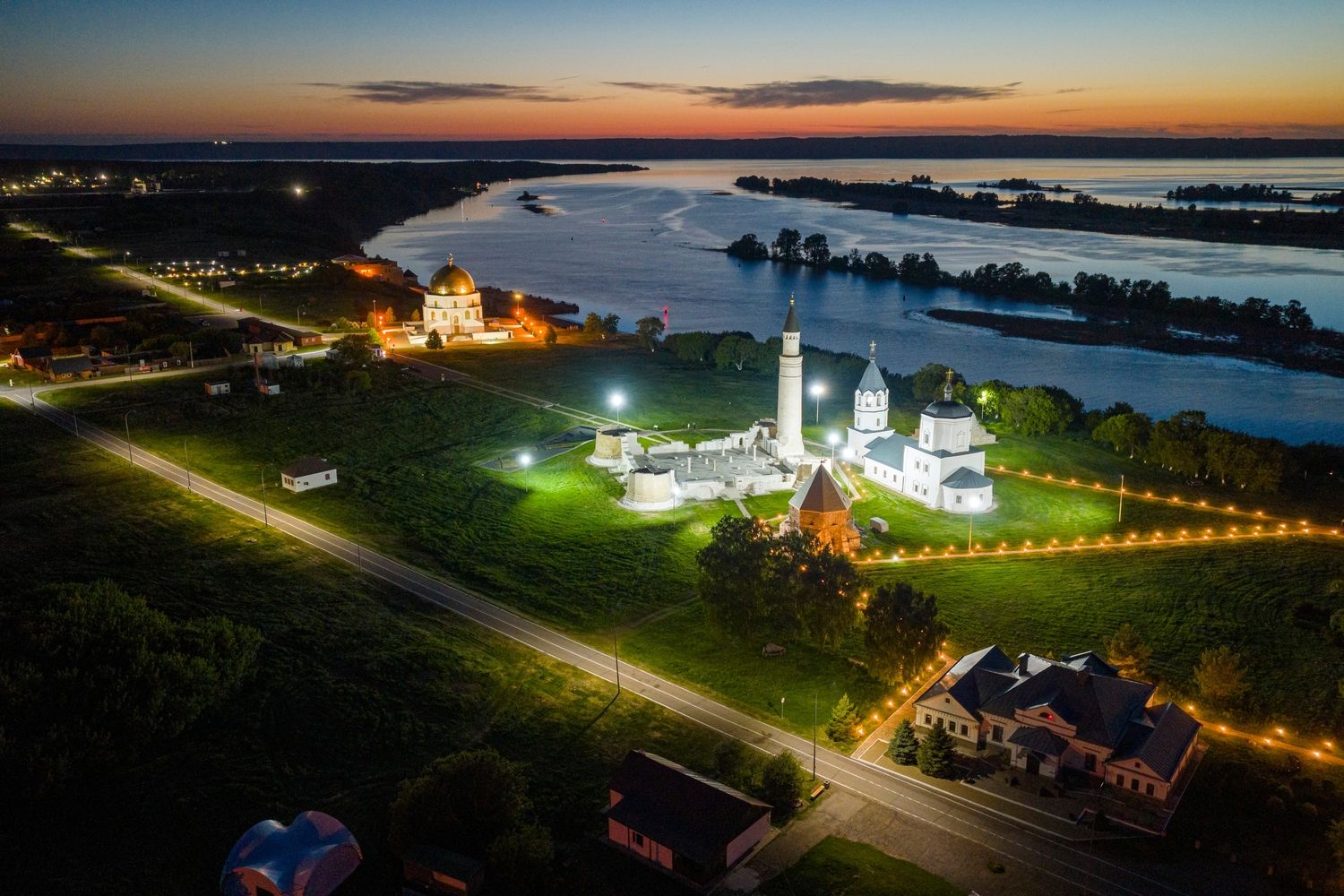
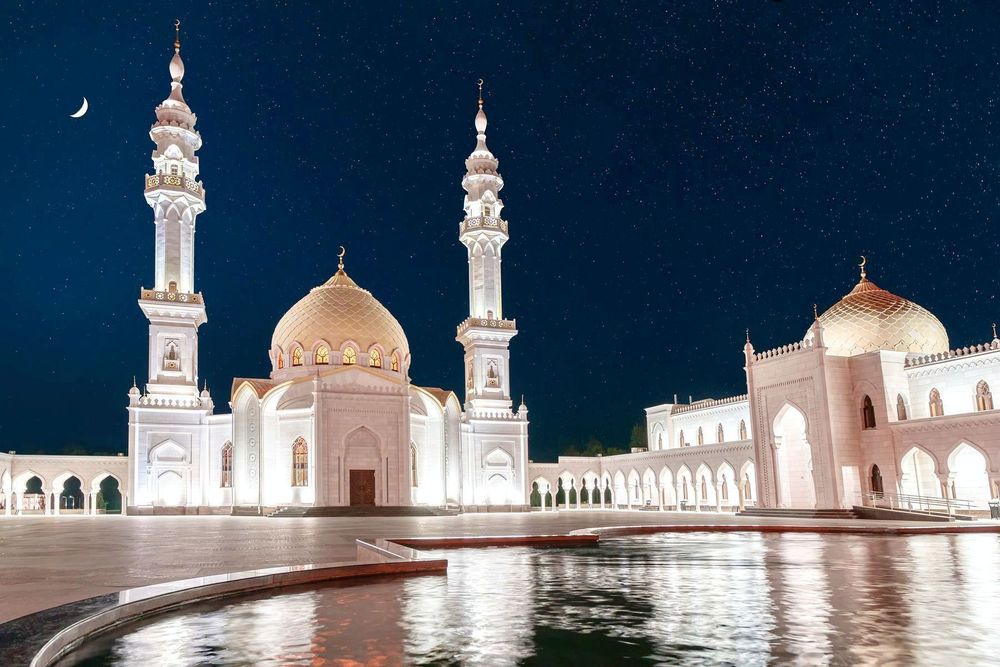
An ancient town on the banks of the Volga River, once one of the largest centres of Volga Bulgaria in the Middle Ages. It was here that the Volga Bulgars adopted Islam in 922, and Bolgar remains an important religious site for Muslims in Russia to this day.
How to get there
Bolgar is about 180 kilometres from Kazan. In summer, one of the best ways to get there is by Meteor high-speed riverboat along the Volga. The journey takes around two hours. You can also travel by car or bus.
Why visit?
To explore Russia’s Islamic heritage.
Don’t miss
The White Mosque. Although it was built in the 21st century, near the ancient settlement, it has quickly become one of Bolgar’s most recognisable landmarks.
Good to know
Make sure you try the local pastries. Bolgar is a great place to discover Tatar cuisine. We’d particularly recommend echpochmak (triangular meat-filled pastries), gubadiya (a traditional layered pie) and chak-chak (a sweet made from pieces of fried dough coated in honey).
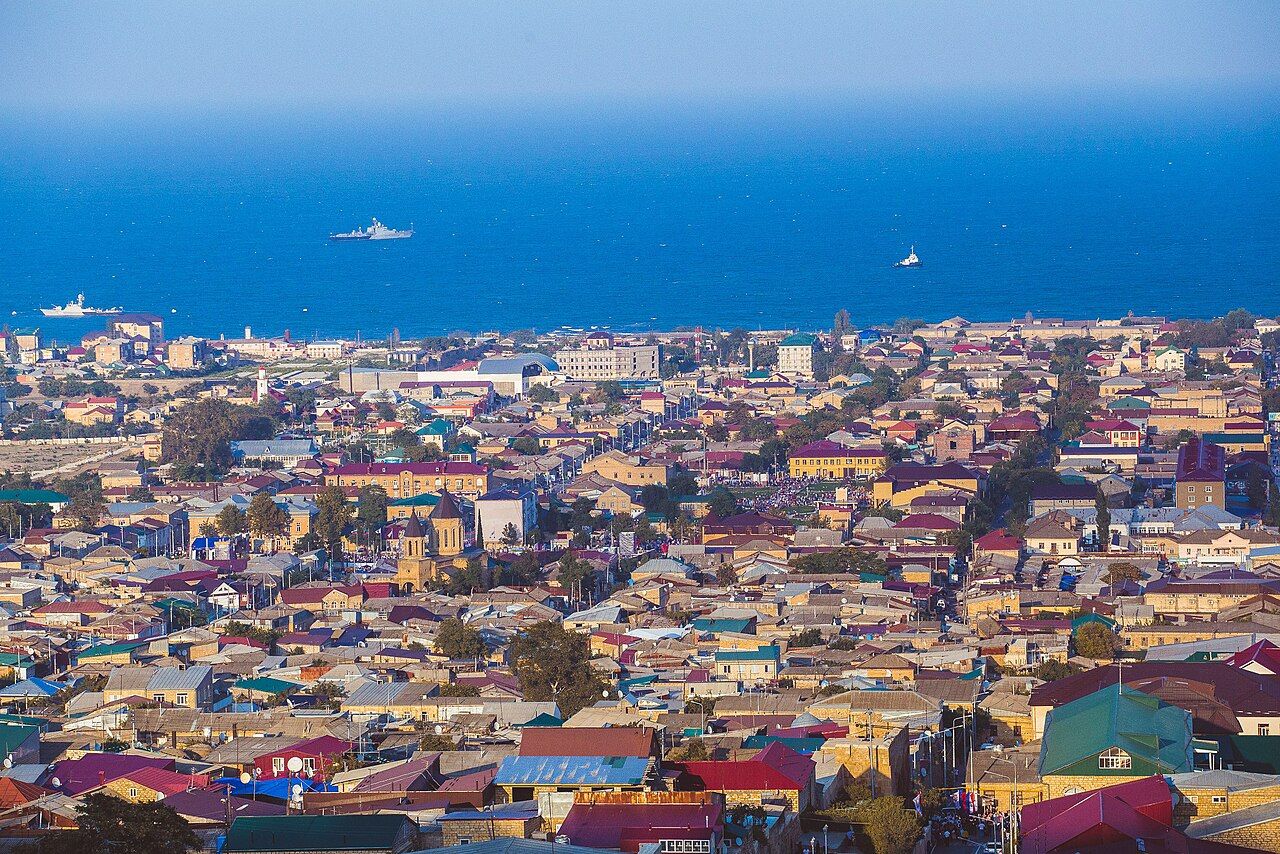
One of Russia’s oldest cities, nestled between the Caucasus Mountains and the Caspian Sea. Its ancient walls, mosques, bathhouses and historic neighbourhoods have survived for centuries, and the old city is a UNESCO World Heritage Site.
How to get there
First, fly from Moscow to Makhachkala, a journey of around three hours. Derbent is another 120 kilometres away, which takes roughly two to two and a half hours by suburban train, bus or car.
Why visit?
To explore an ancient city with Persian influences, mountain scenery and its own distinctive cuisine.
Don’t miss
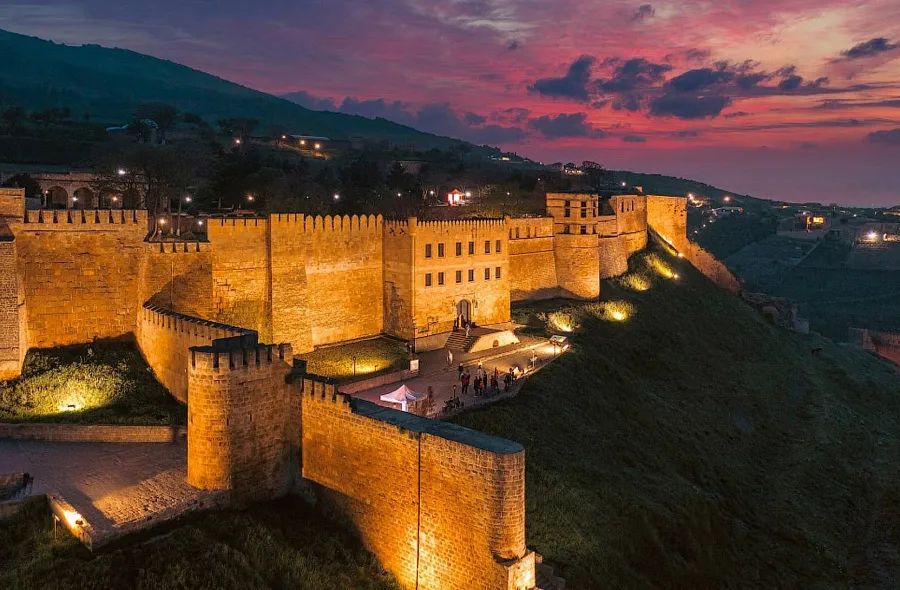
The Naryn-Kala Fortress. This ancient citadel towers above the city and the Caspian Sea. Its massive walls once formed part of a defensive system built by the Sasanian Persian Empire in the 5th and 6th centuries. Inside, you’ll find the remains of a khan’s palace, ancient water reservoirs and bathhouses.
Good to know
Try urbech, a traditional paste made from ground seeds or nuts. It might remind you of Indian nut and sesame pastes. Urbech usually contains very few ingredients, sometimes nothing more than flaxseeds, apricot kernels or almonds.
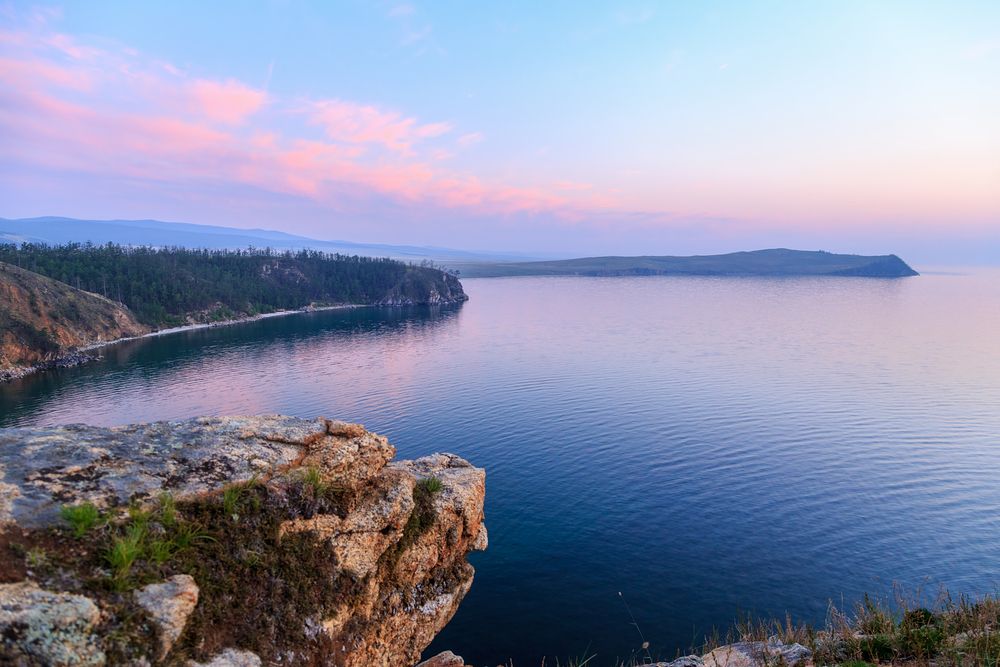
A small village on the largest island in Lake Baikal. Baikal itself is considered the world’s deepest and oldest lake. It’s around 25 million years old and holds approximately 20% of the world’s unfrozen fresh water.
How to get there
First, fly from Moscow to Irkutsk, which takes around six hours. From there, it’s another five to six hours to Khuzhir by bus or car. In summer, part of the journey involves a ferry crossing.
Why visit?
To experience the sheer scale of Russia’s natural landscapes.
Don’t miss
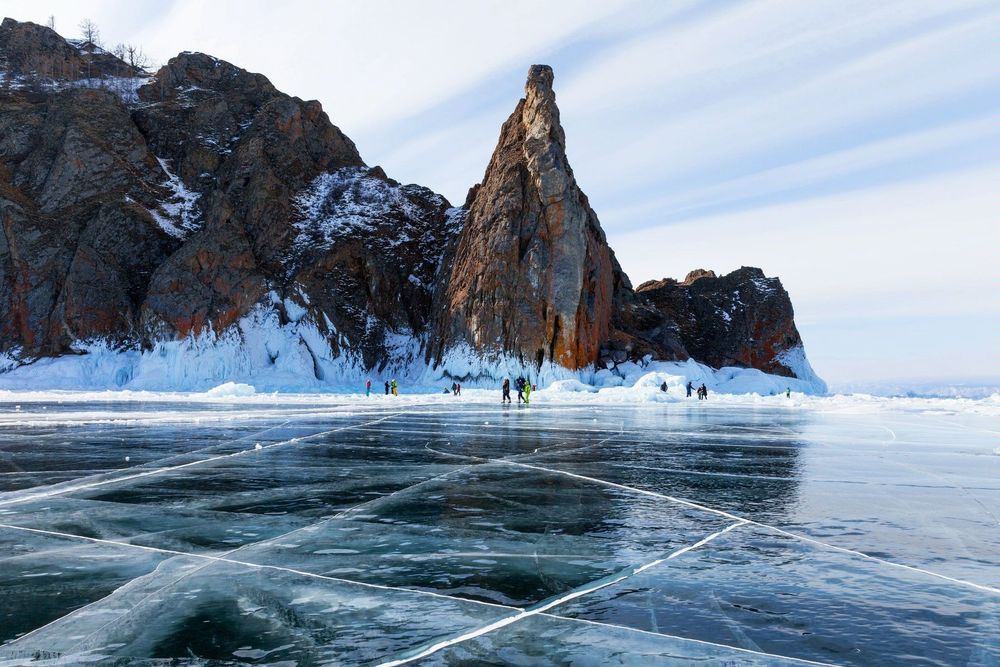
Cape Khoboy, the northernmost point of Olkhon Island, with its sheer cliffs and panoramic views across Lake Baikal.
Good to know
If you’re dreaming of seeing Baikal’s famous crystal-clear ice, plan your trip for February or March rather than early winter. By then, the ice cover is usually thick and stable enough for winter activities.